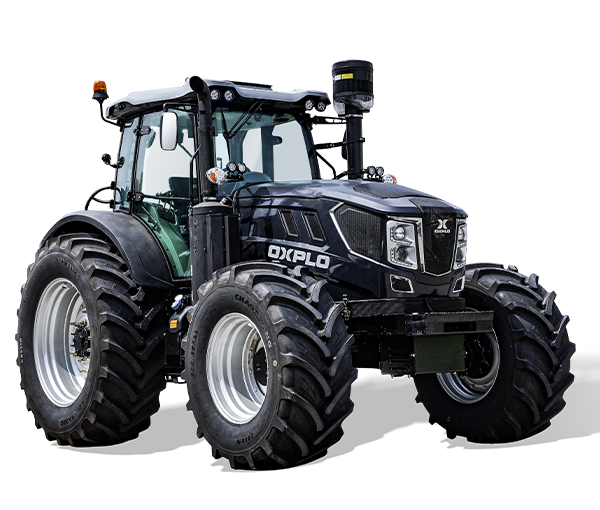
Understanding the Modern Agricultural Tractor: Design, Engineering, and the OXPLO Standard
Press Release
In modern agriculture, an agricultural tractor is no longer just a machine that provides pulling power. It has evolved into a complete working platform where tractor design and tractor engineering determine how effectively traction, hydraulic support, load handling, and long hours of continuous field operation come together as one integrated system.
A reliable tractor today isn’t judged by horsepower alone. What really determines long-term performance is how well the machine’s structure, powertrain, hydraulic system, and operator layout are engineered to work together as one balanced unit.
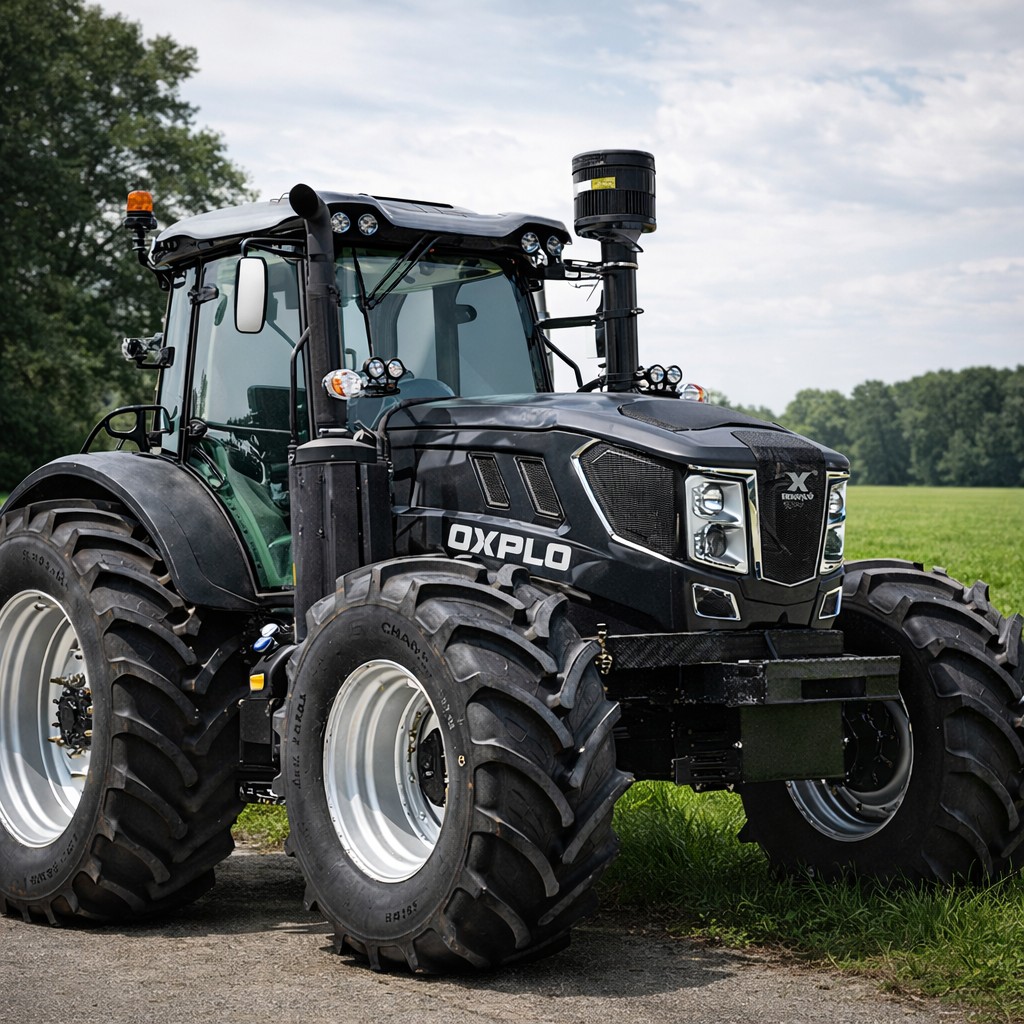
What Actually Matters in a Tractor
When professionals evaluate a tractor, long-term performance depends on several critical engineering factors that reflect the true quality of its tractor design.
Structural Strength & Undercarriage Design
Long-term durability in a tractor is largely determined by the strength of its main structural components. Factors such as axle housing thickness, manufacturing accuracy, and material quality directly influence how well the machine withstands sustained heavy-duty work. A properly developed undercarriage layout allows power output, machine weight, and workload demands to stay in balance, reducing unnecessary stress while maintaining working efficiency.
Power Quality, Not Just Power Size
Engine output figures only provide limited insight into real-world performance. What proves more important in long-term operation is the engine’s operating stability, production quality standards, and the availability of reliable service resources. Tractors equipped with power units from well-established global manufacturers typically deliver dependable operation, precise technical parameters, and easier access to maintenance networks — factors that significantly reduce unexpected downtime during demanding field work.
Hydraulic System Precision
From pumps and valves to oil lines, a tractor’s hydraulic system must operate as a coordinated unit. This is where thoughtful tractor engineering becomes visible in daily work. Precise flow control and high-quality components determine whether loaders and implements move smoothly or cause stress, vibration, and wear. Reliable hydraulics reduce the risk of unexpected stoppages and improve operational safety.
PTO & Hitching Efficiency
Quick, precise implement connection directly affects productivity. Strong, forged hitch components and accurate alignment show how detailed tractor design improves both durability and ease of use. Robust PTO and linkage systems reduce failure risks during high-load work and allow operators to change implements efficiently.
Operator Environment & Control
Long working hours place heavy demands on operators. Spacious cabins, ergonomic control layouts, and wide visibility angles are outcomes of modern tractor design that directly influence fatigue, precision, and safety during extended tasks.
Where Many Tractors Fall Short
In today’s competitive market, some machines focus on headline specifications while overlooking system balance. Weak structural integration, poorly matched hydraulic components, and designs that prioritize numbers over real tractor engineering often lead to:
High horsepower paired with weak structural components
Lightweight builds that compromise stability
Hydraulics assembled from mismatched components
Hitch systems not built for repeated heavy-duty use
These compromises frequently result in higher maintenance frequency, downtime, and long-term operating costs.
How OXPLO Is Redefining the Standard
OXPLO develops its tractors with the idea that a machine should function as a unified working structure, not as a group of separate components assembled together. Each major system is considered in relation to real operating demands rather than treated in isolation.
The strength of the lower frame and axle housing plays a key role in long-term stability, which is why structural parts are produced with substantial material thickness and strict machining accuracy. Engine selection also follows a practical principle — using power units from widely recognized manufacturers so performance consistency and service access are not limited by region.
Attention is also given to how hydraulic elements interact. Instead of combining unrelated parts, flow characteristics and component matching are calculated to keep operation smooth under load. Similar thinking applies to the hitching and PTO areas, where material strength and structural reliability affect both efficiency and safety during repeated implement use.
Operator space is approached from a usability standpoint. Layout, visibility, and control positioning are arranged to support long working hours without unnecessary physical strain.
This overall development approach focuses less on headline specifications and more on how different systems support one another in actual working conditions, helping reduce unplanned stoppages and keeping operating costs predictable over time.
Final Takeaway
The future of the agricultural tractor is not about bigger numbers. It is about smarter tractor design supported by disciplined tractor engineering.
A truly capable tractor is defined by how well its structure, power, hydraulics, and operator environment work together under real working conditions. OXPLO’s development philosophy is built around this principle — focusing on durability, stability, and long-term efficiency rather than short-term figures.
Share to :
Inquiry
Our manager will contact you within 30 minutes of working hours.
Related products
 TD1004OXPLO is a professional tractor manufacturer offering a powerful 100HP tractor built for demanding agricultural work. Combining the strength of a large tractor with reliable engineering, this model delivers stable performance, durability, and efficiency for a wide range of farming applications.
 TB804OXPLO, an Australian machinery brand, offers a powerful 80HP tractor designed for demanding farm tasks. This versatile Australia tractor combines the strength of a large tractor with the maneuverability needed for small to medium-scale agricultural operations, delivering reliable performance and efficient daily work.
 TB704OXPLO Tractor, an Australian machinery brand, offers reliable compact tractors including its versatile 70HP tractor, designed for small-scale farming, property maintenance, and light agricultural work. The OXPLO tractor combines power, maneuverability, and durability for efficient daily operation.
 TE504Oxplo, a premier Australian construction machinery brand, offers a high-performance 50hp tractor engineered for maximum efficiency in small-scale farming and versatile agricultural tasks.