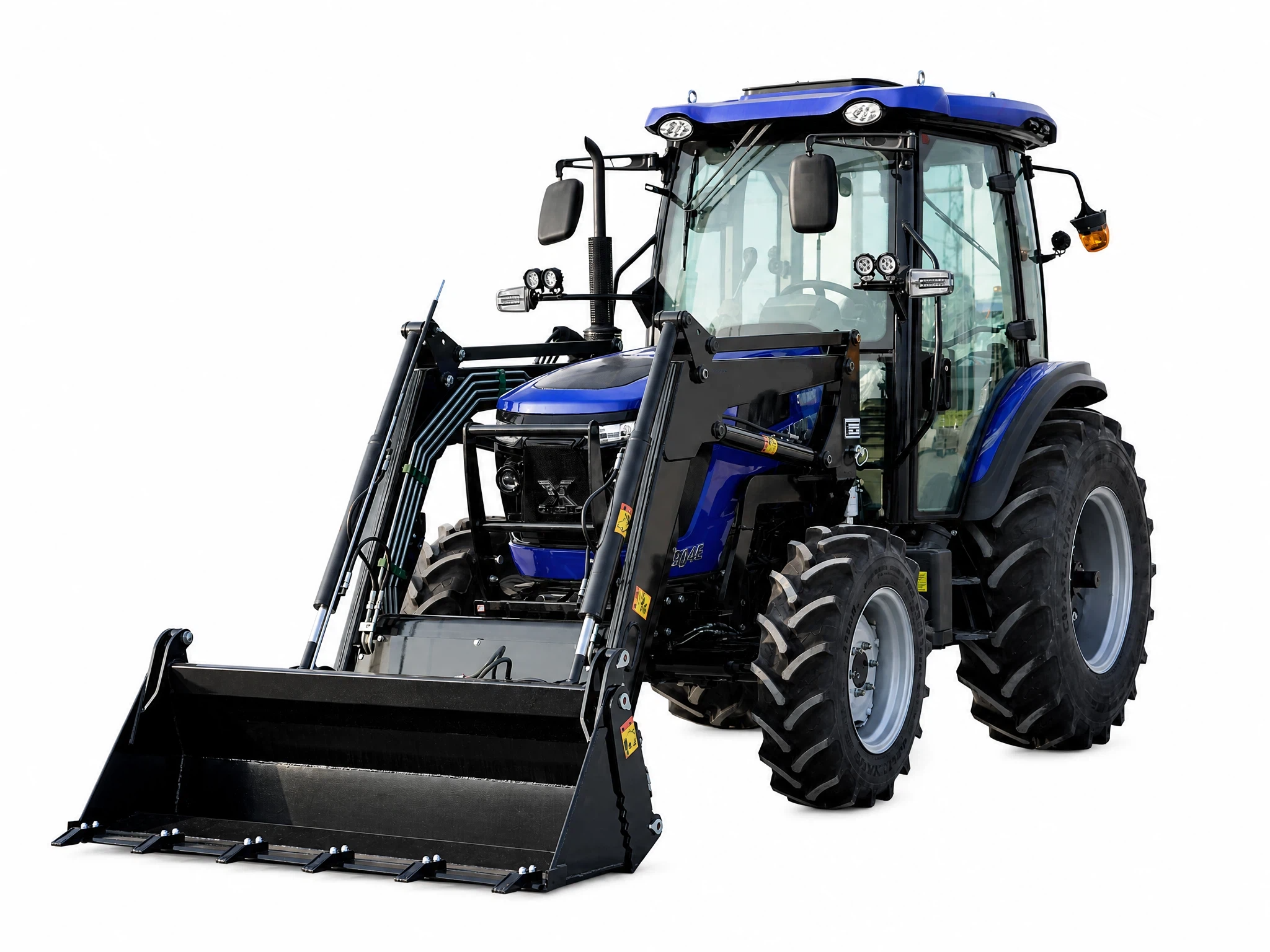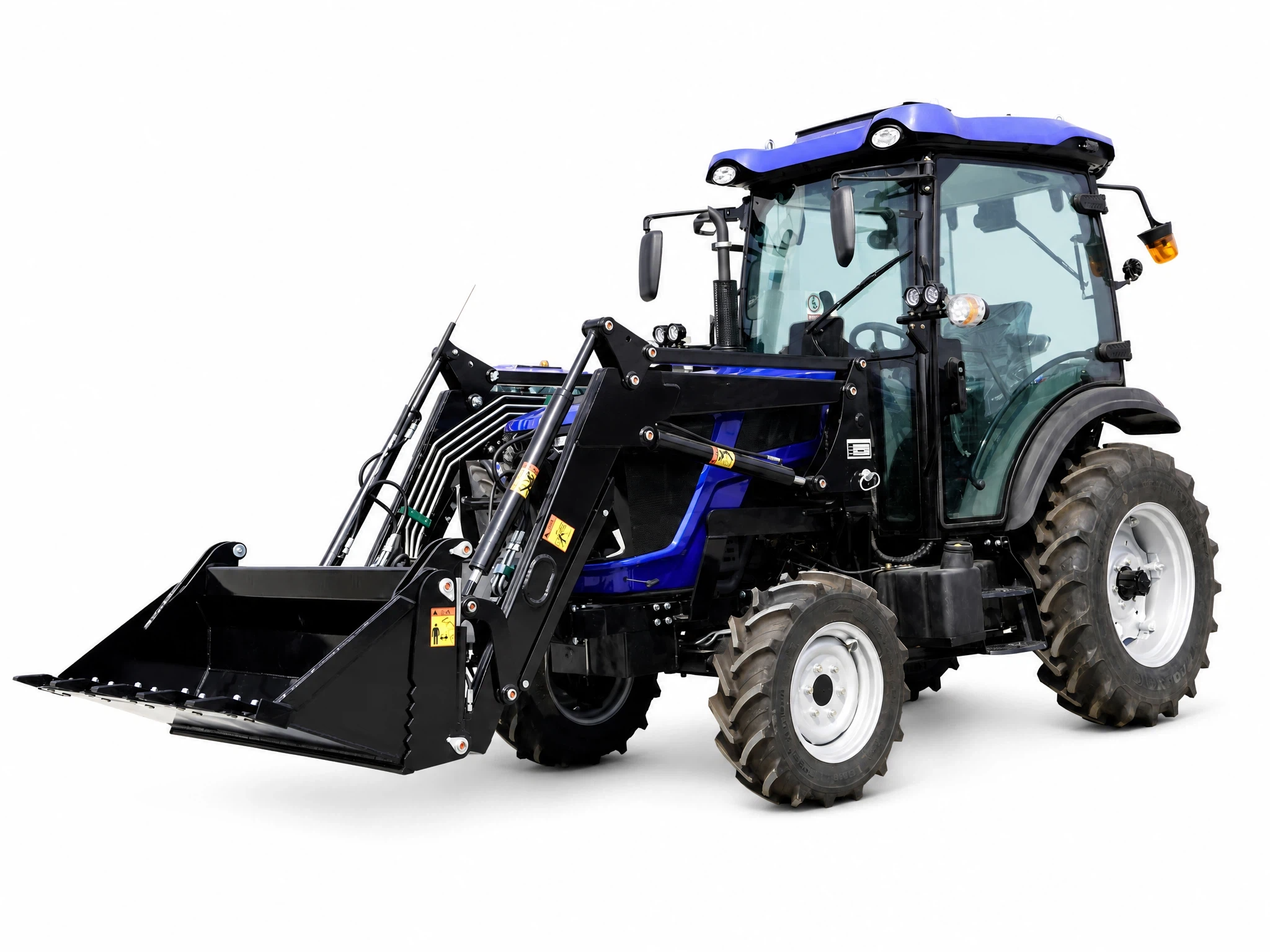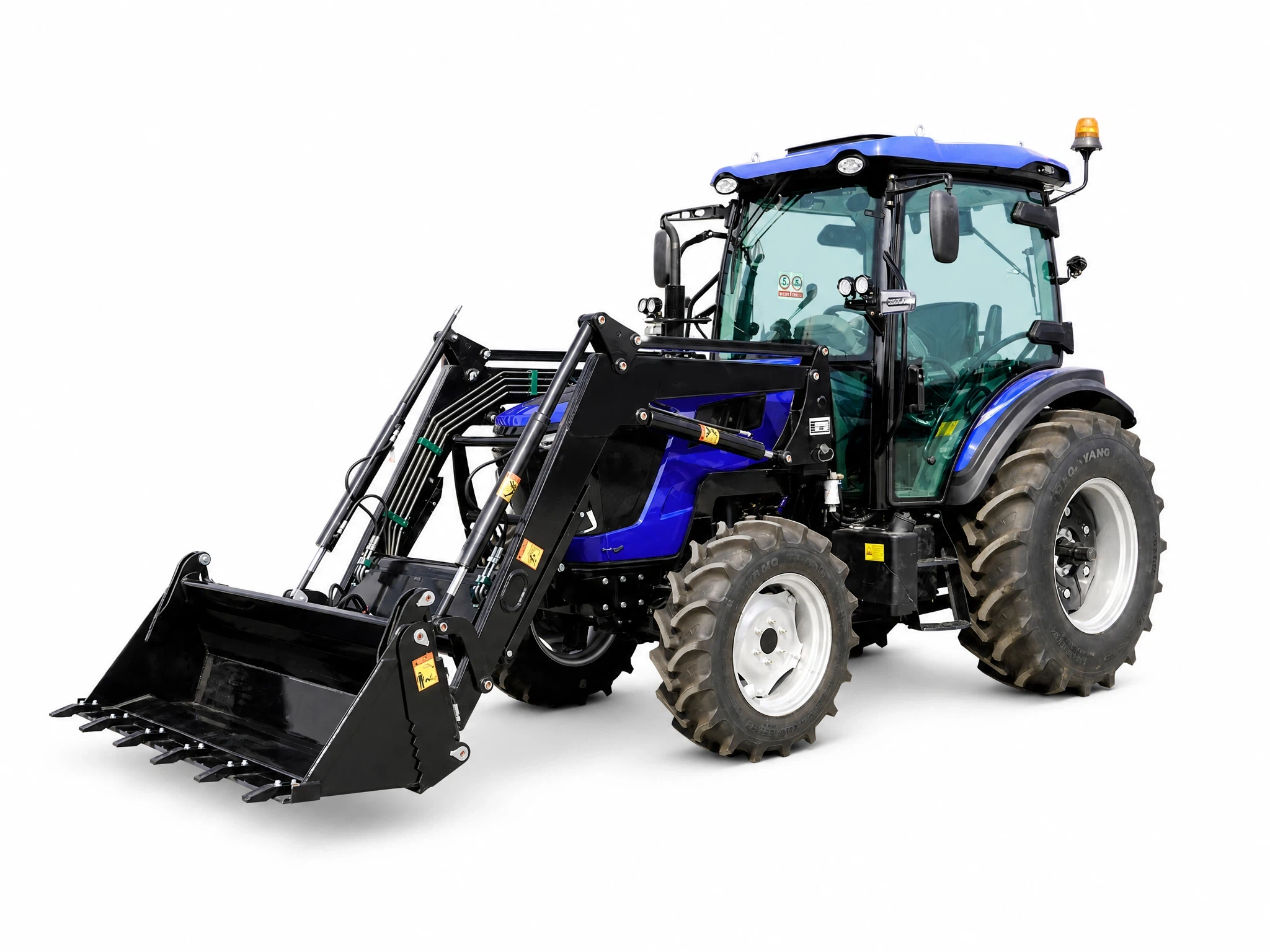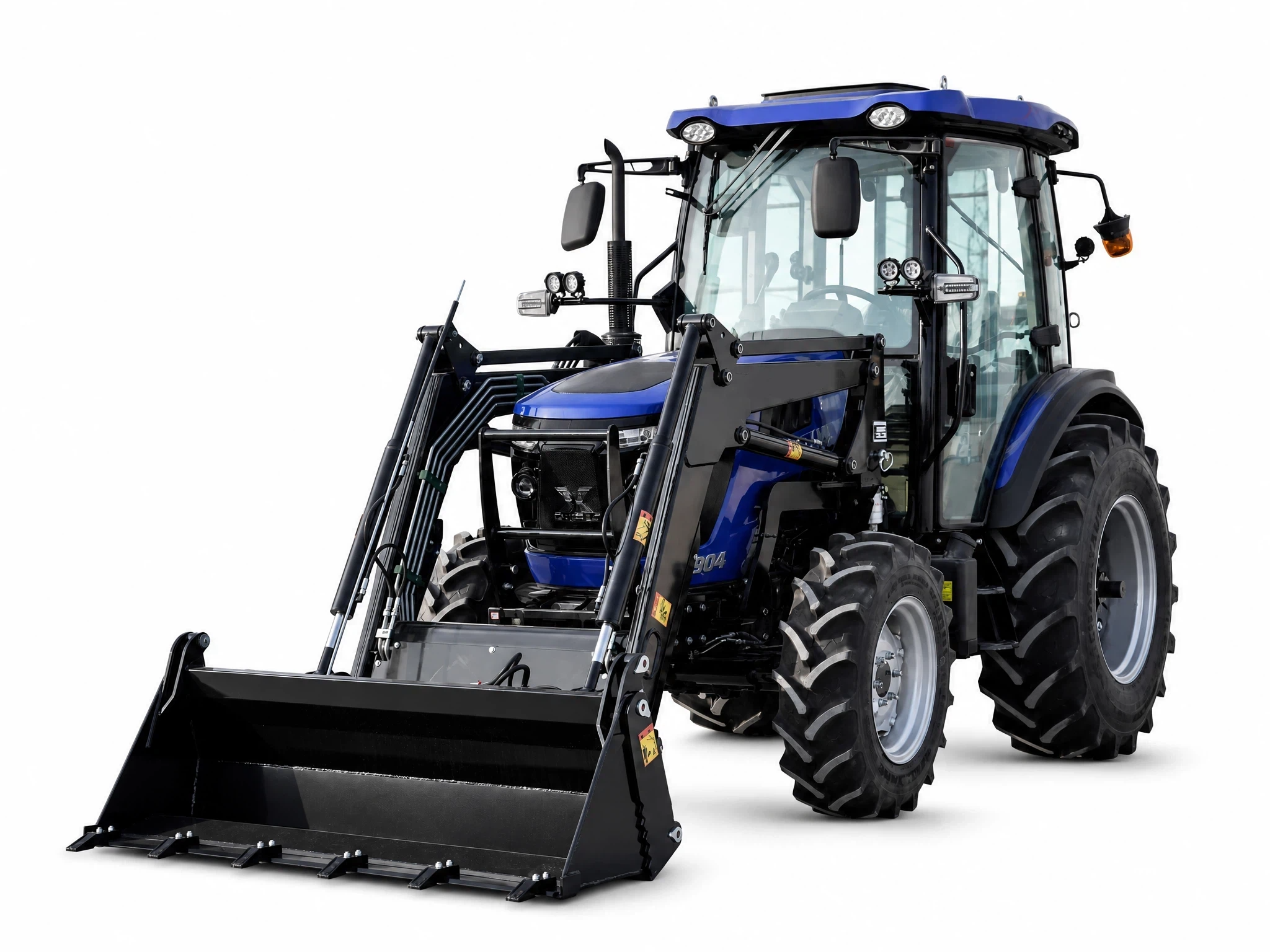
Front End Loader Tractors for Australian Dairy Farms: Getting Horsepower and Lift Capacity Right
On an Australian dairy farm, a tractor is not just a paddock maintenance tool. It's out transporting feed, handling bales, carting bedding through the shed, and carting equipment around the property. Put a front end loader on it, and one machine can take on a long list of loading jobs. Reducing swapping between separate pieces of equipment.
The tricky part is the buying decision. For a farm tractor with front end loader package, engine horsepower and loader lift capacity have to be weighed up together. Horsepower determines whether the machine can cover loading and towing as well as other farm tasks. Lift capacity decides whether it can pick up what you're actually asking it to pick up. For an Australian dairy farm, work backwards from your feed and bale weights, the height you need to reach, and the room you have to manoeuvre in.
1. What does a loader tractor do on a dairy farm?
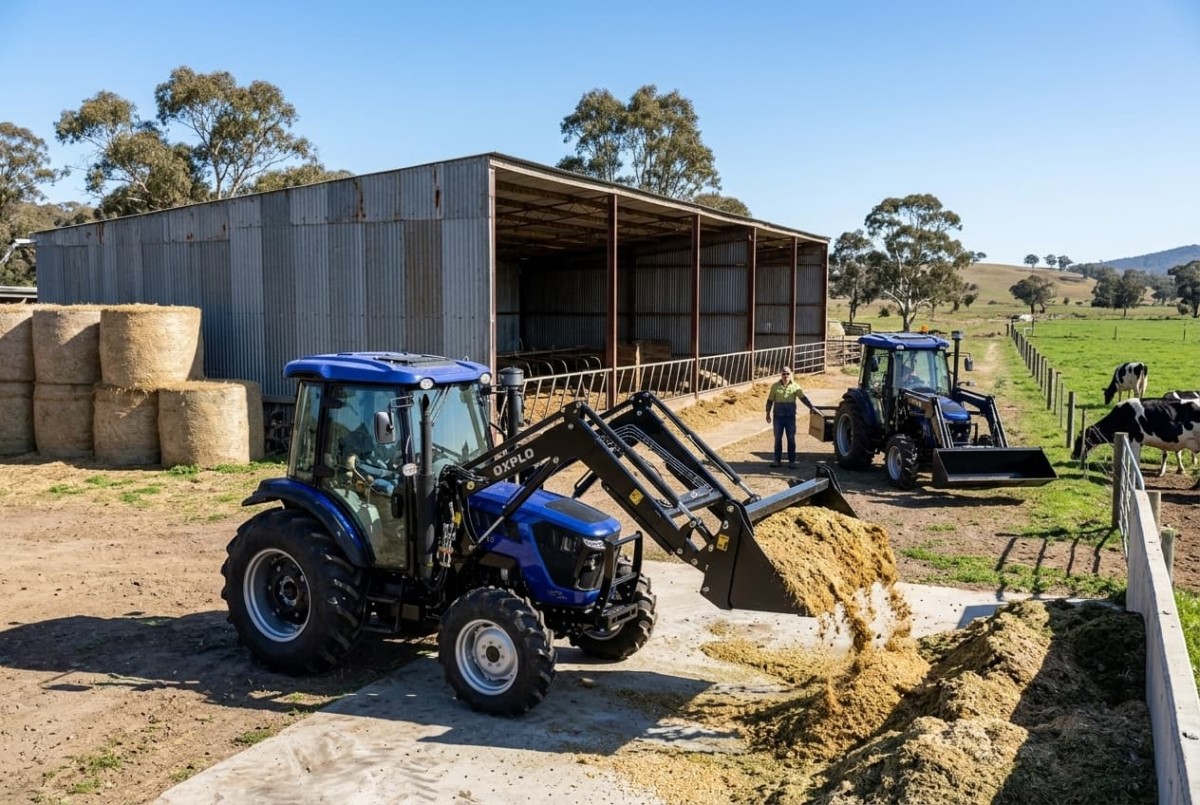
On most Australian dairy farms, a dairy farm tractor fitted with a front end loader earns its keep on feed, bales, shed work and general carting feed and farm supplies.
Feed handling: Silage and other bulk feed. The weight of the load matters, and so does how high you need to lift it.
Bale handling: Match the attachment to the size and weight of your bales, and count the attachment's own weight in the load.
Shed maintenance: Carting bedding in and cleaning up spilt material. Body size and clearance through the shed come into play here.
Materials and carting: Towing a trailer with feed and farm supplies. If other implements are going on the tractor too, confirm towing capability and the PTO setup first.
2. How do you match tractor horsepower with loader lift capacity?
Picking a farm tractor with front end loader comes down to matching engine horsepower and loader lift capacity against the work the farm actually needs done. More horsepower doesn't automatically mean more lift. What counts is how the whole tractor is set up, and what the loader itself is rated to do.
Work out lift capacity from your daily loads
List the materials you move most days — silage, bales, bedding — and estimate the weight of a single load. Add the weight of the bucket or the forks on top of that. Then check the lift capacity the manufacturer quotes, and look at the conditions it was measured under.
Pick horsepower from how hard the machine works
If the loader is only doing light materials handling, a 50HP tractor is a fair starting point. Where loading and unloading happens daily, and the tractor still has to cart around the farm, step up and assess a 70HP tractor. Add heavier towing, and an 80HP tractor is worth a look.
Those are preliminary steps. The final choice still rests on machine weight, transmission, towing needs, and how well the loader is matched to the tractor.
Check lift height and what the tractor can carry
With horsepower and a target load settled, confirm the loader's lift height and dump height. Then check the front axle load limits and the ballasting requirements. Lifting material to a trailer or a feed wagon is where this bites — the machine has to stay inside the manufacturer's load limits at working height.
So the right tractor loader lifting capacity can't be done in isolation from the tractor itself. Daily loads, how hard the machine works, the height you need to reach: bring those together and the horsepower and loader combination is much easier to pin down.
3. How do OXPLO tractors suit Australian dairy farm work?
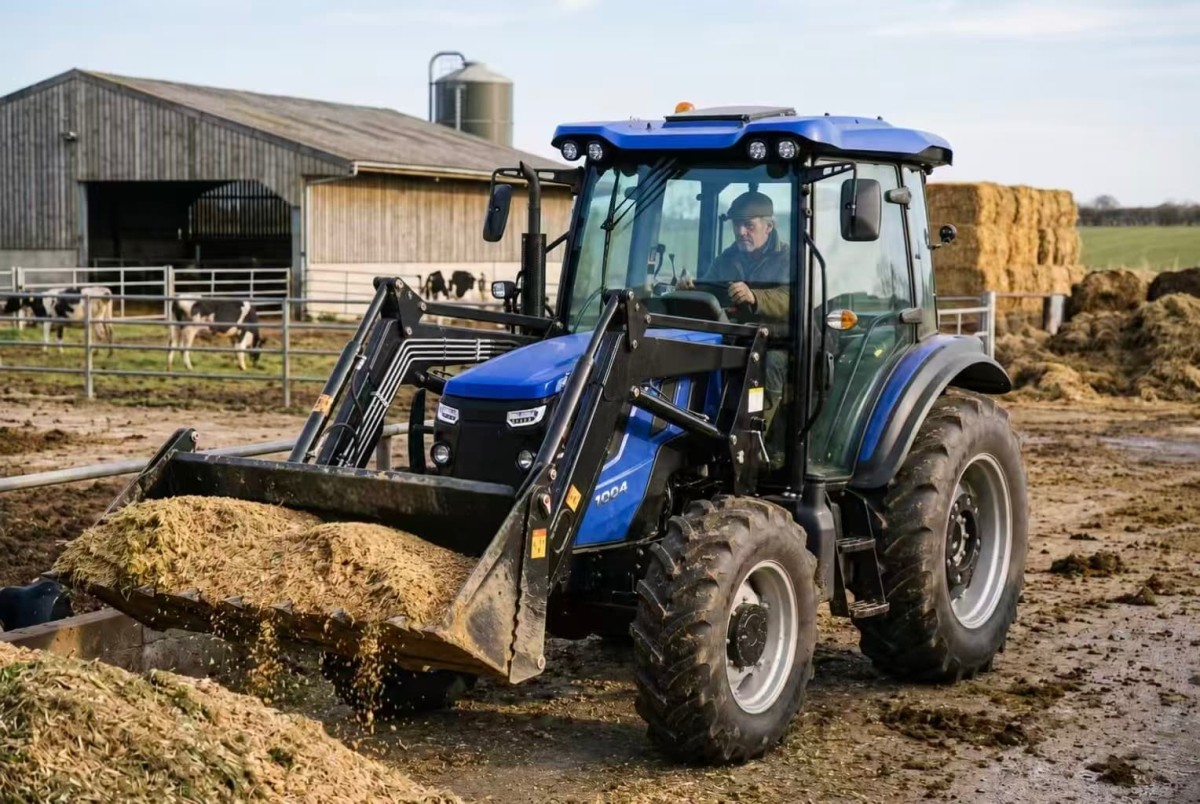
For dairy farms juggling feed handling, shed maintenance and carting materials around the farm, the OXPLO 50HP tractor, 70HP tractor and 80HP tractor let you choose based on what your working day actually looks like.
OXPLO 50HP — for farms where everyday maintenance leads
Shed clean-outs, light feed handling, property maintenance. Machine dimensions and what the front end loader genuinely lifts are the things to watch.
OXPLO 70HP — for farms balancing loading work and carting
A fit for operators moving feed and handling materials most days, with farm carting alongside.
OXPLO 80HP — for farms with heavier towing work
Where a heavier trailer or high-load implement work sits on top of daily loading, the 80HP is worth a closer look. Real capability depends on the full tractor configuration.
Each of these models needs to be matched to a specific front end loader before actual lift capacity can be confirmed. More product information is on the OXPLO Australia tractor pages.
Conclusion
Choosing a front end loader tractor for an Australian dairy farm comes down to matching engine horsepower and loader lift capacity to your daily loading loads and the rest of the work on the property. Shed maintenance first, or feed, carting and towing all together — either way, start with what the machine has to do.
OXPLO builds tractors across the 50HP, 70HP and 80HP ranges so Australian farmers can weigh up options against their own operation. Take a look at the OXPLO Australia site to find the model and setup that fits your farm.
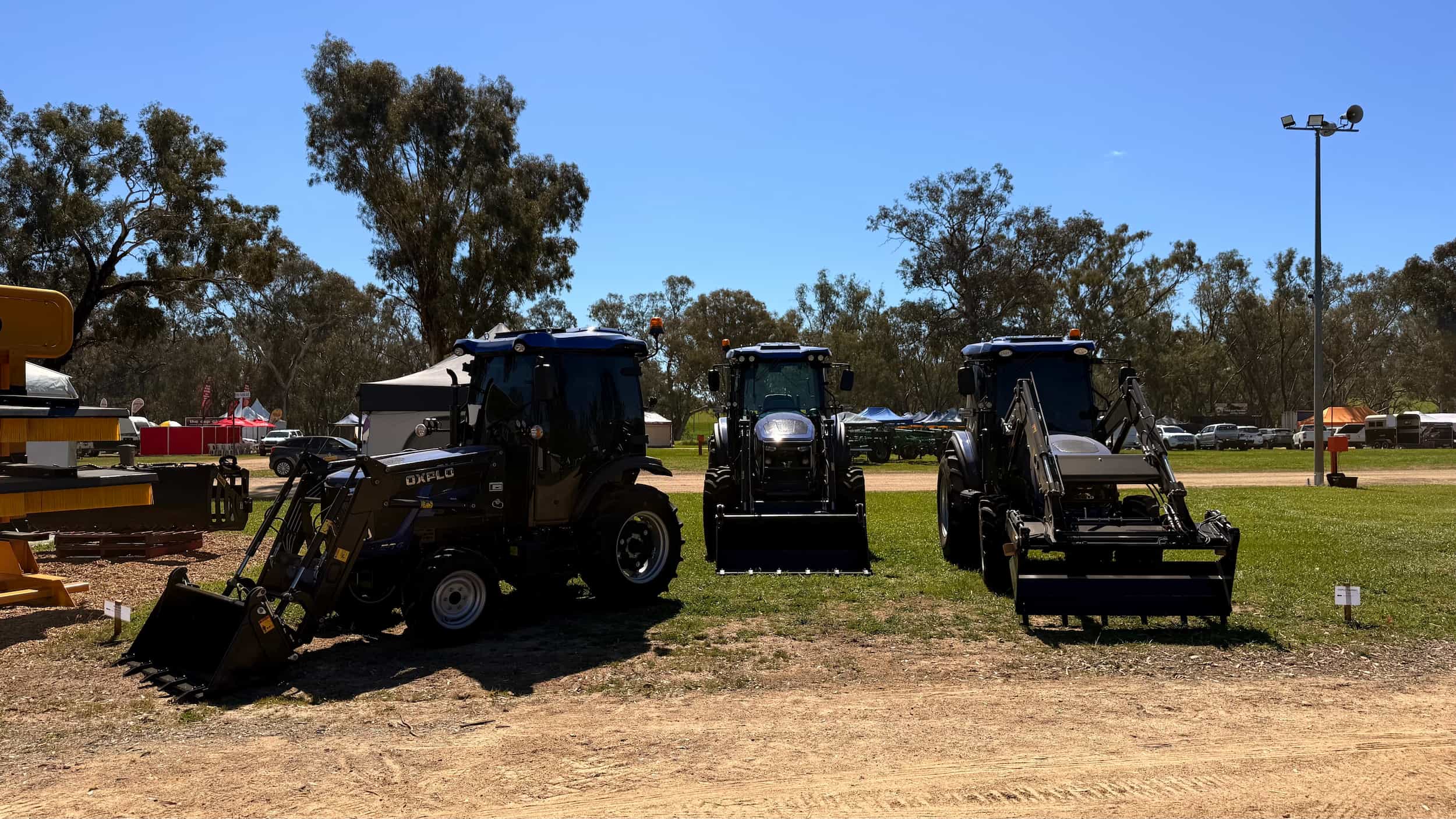
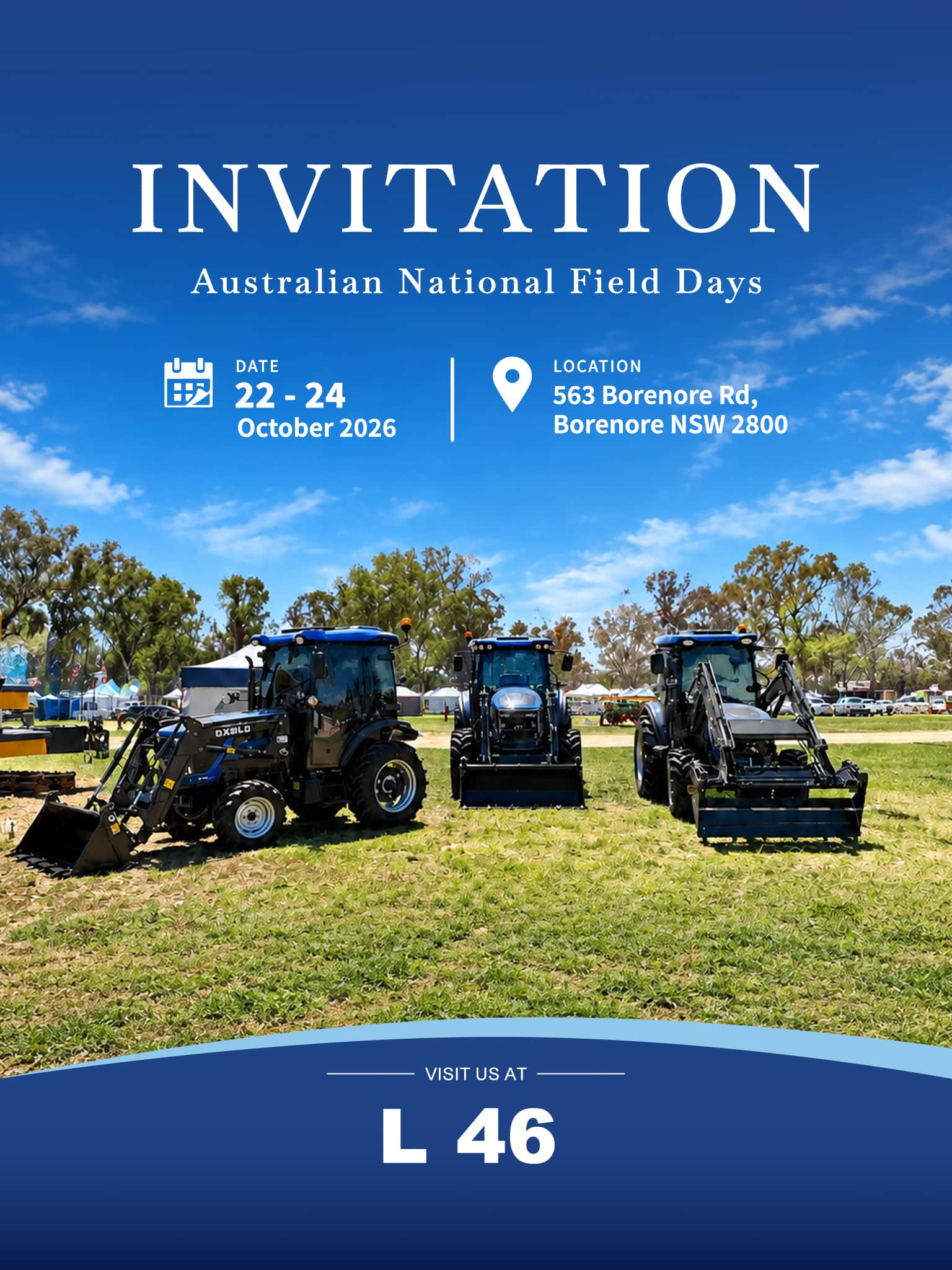
 Visit OXPLO at Site L46 | Australian National Field Days 2026Visit OXPLO at Australian National Field Days 2026, Site L46 in NSW. Explore 4WD tractors with front-end loaders designed for Australian farm applications.
 50HP Tractor Hydraulic Remotes: How Many Do You Need?How many hydraulic remotes does a 50HP tractor need? Learn how to match hydraulic circuits with loaders, mowers, sprayers and tipping trailers.
 Meet OXPLO at the 63rd Elmore Field Days This October.Meet OXPLO at Elmore Field Days 2026, 6–8 October, to explore tractors with front loaders and discuss farm equipment configurations with our Australian team.
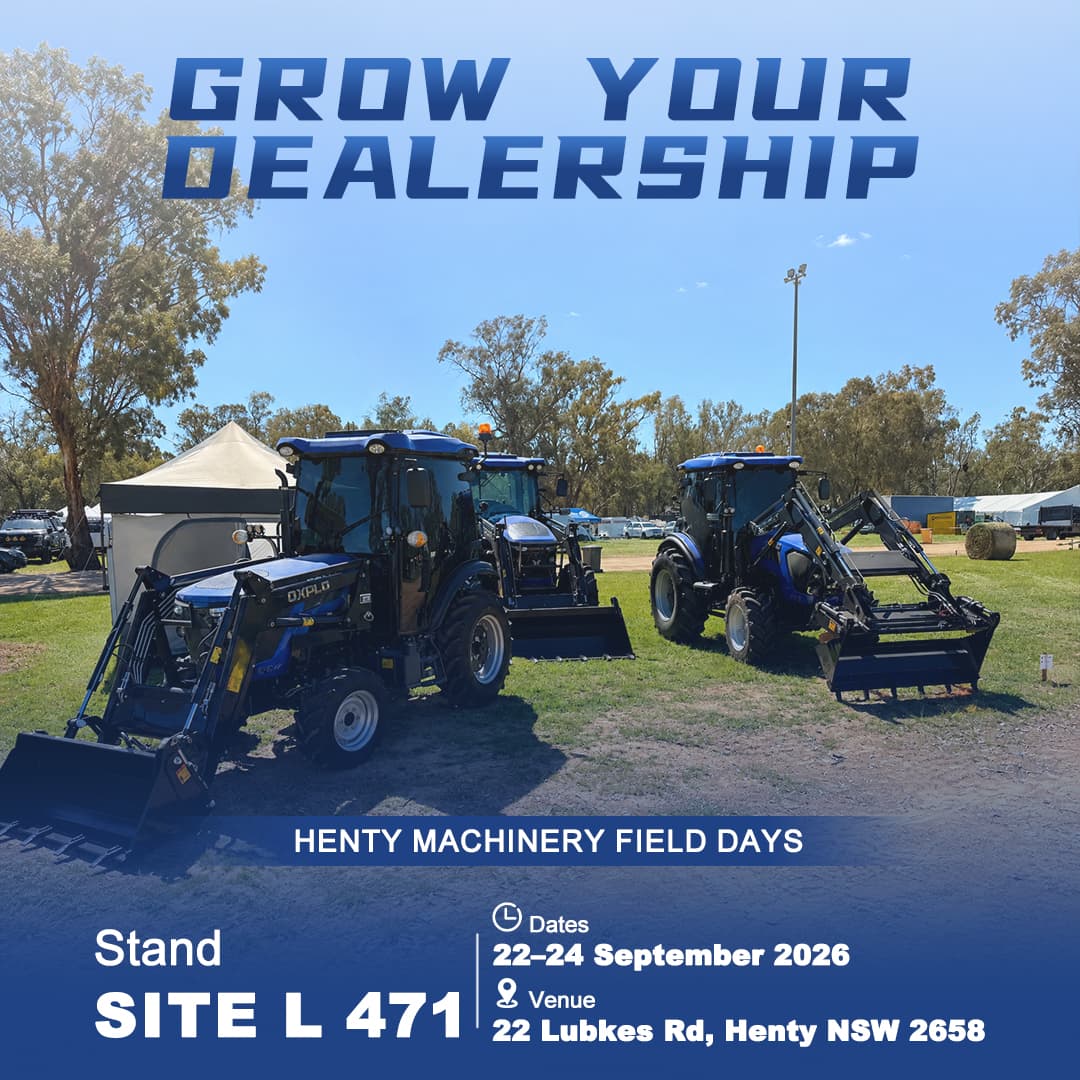
 OXPLO Tractors on Display at Henty Machinery Field Days 2026Visit OXPLO at Henty Machinery Field Days 2026, 22–24 September, to explore tractors for Australian farms and discuss configurations at Site L471.
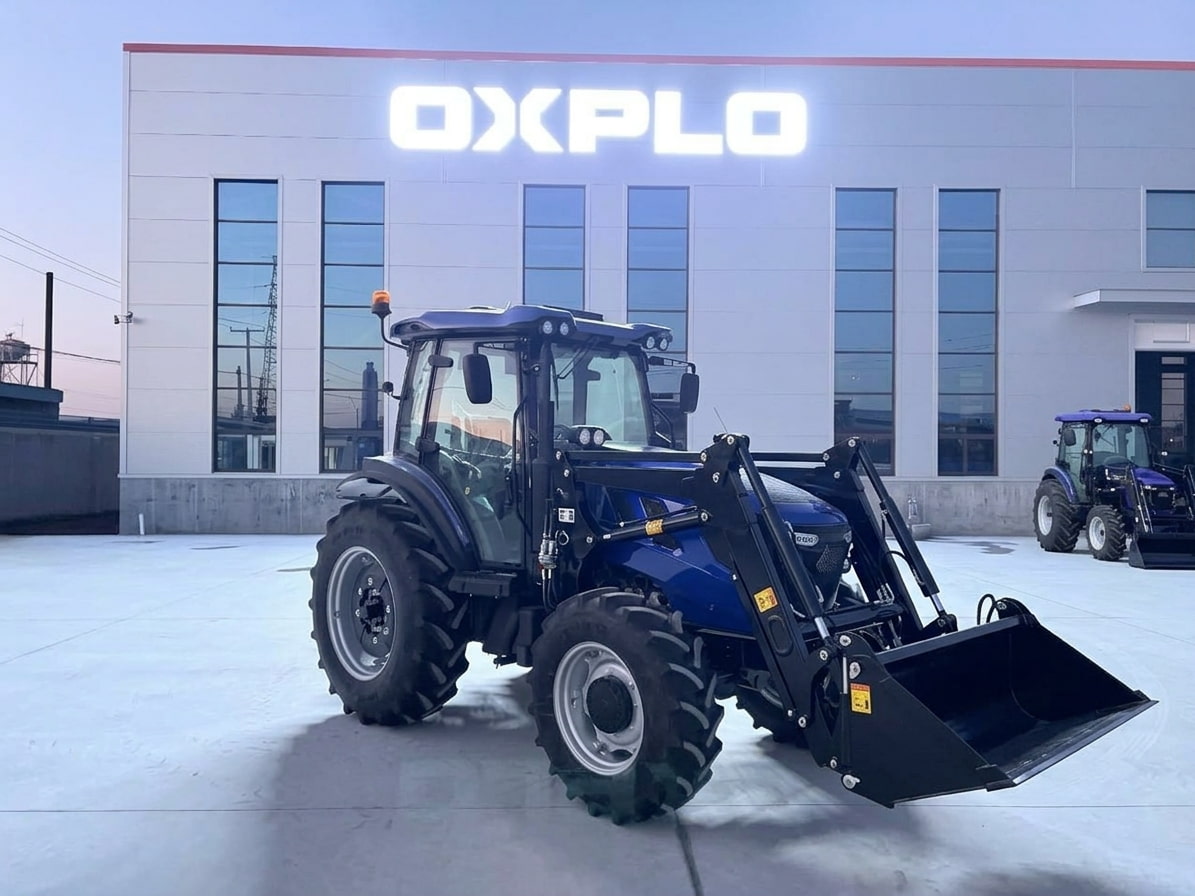
 OX804 80HP Tractor AustraliaThe OXPLO OX804 is an 80HP (58.8 kW) 4WD tractor for Australia, powered by a Yunnei YN38GBZ diesel engine. It features three sets of hydraulic outlets and Cat II three-point linkage, making it suitable for general farm and property work with compatible implements.
 OX704 70HP Tractor AustraliaThe OXPLO OX704 is a 70HP tractor Australia solution featuring a 4WD system, Yunnei YN4102GB engine, 12F+12R transmission and 540/1000 PTO. Designed for Australian medium-sized farms, it delivers reliable performance for deep tillage, transport and daily agricultural tasks. Contact OXPLO Australia for pricing and configuration options.
 OX504 50HP Tractor AustraliaThe OXPLO OX504 is a 50HP 4WD tractor designed for Australian farms, acreage properties and general agricultural work. It features a 36.8 kW diesel engine, 8F+8R transmission, full hydraulic steering, 540/1000 rpm PTO and Category I three-point linkage for operating a range of compatible implements.
 OX1004 100HP Tractor with Front-End Loader100HP tractor with front-end loader for Australian farms. OXPLO OX1004 offers 4WD power, reliable performance and versatile applications. Get a quote today.