NEWS
What Changes When a Compact Tractor Is Introduced to a Livestock Farm
Press Release
Content
On many livestock farms, the workload is rarely experienced as separate tasks. Instead, everything overlaps—feeding animals while cleaning barns, moving equipment while checking fences, or hauling materials while trying to keep pastures in reasonable condition.
This kind of working rhythm often forces farmers to switch repeatedly between physical effort and time pressure throughout the day.
In such environments, introducing a compact tractor does not simply "add a machine." It changes how movement happens across the farm.
Work Stops Being Hand-Carried
On a number of livestock operations, materials such as hay, feed, and bedding are not moved in bulk but handled in repeated small batches. This is largely influenced by limited workforce conditions as well as the physical layout of barns and access areas, which restrict larger transportation methods.
Once compact tractors become part of the workflow, transport is no longer fragmented. Loads that once required multiple trips can be handled in a single movement. The physical rhythm of the farm shifts from constant lifting to planned transportation.
Tasks Begin to Connect Instead of Repeat Separately
On many farms, feeding, cleaning, and hauling are usually treated as independent jobs.
However, with a compact tractor in use, these activities begin to link together. Feed is first delivered to a specific area of the farm. Later, the same machine can continue working in a different zone, where it handles tasks such as collecting waste or moving loose materials.This reduces downtime between tasks and avoids repeated manual transitions.
Barn and Ground Conditions Become Easier to Control
Livestock housing areas tend to change quickly depending on weather and animal activity. Wet bedding, compacted soil, and manure accumulation can create uneven working conditions.
With mechanical support, these conditions are handled more consistently. Instead of reacting to buildup after it becomes a problem, maintenance can be done in smaller, more frequent steps using attachments designed for cleaning and leveling work.
Outdoor Areas Require Less Reactive Maintenance
Pastures and access roads are often maintained only when problems become visible—muddy paths, uneven ground, or overgrown vegetation.
A compact farm tractor allows these corrections to happen earlier and more regularly. Maintenance shifts from "repairing issues" to "preventing deterioration," especially in frequently used zones like gates, feeding lanes, and fencing areas.
Decision Factors Are Usually Practical, Not Technical
Farmers rarely choose equipment based on specifications alone. In most cases, the decision is influenced by how the machine fits into existing movement patterns.
Key considerations typically include:
Whether the tractor can move safely inside barn passages
How often it will switch between different types of work
Whether it reduces physical strain during peak feeding periods
Whether attachments can be changed without disrupting workflow
Whether daily operating costs remain manageable over time
A compact farm tractor is often selected based on these practical working conditions rather than technical specifications alone.
A Shift in Daily Farm Logic
A compact tractor does not reduce the amount of work required on a livestock farm, but it reshapes how that work is arranged over time and across different areas of the farm.
Instead of being completed as isolated and repetitive tasks, daily activities such as moving materials, handling loads, and performing maintenance begin to follow a more linked and continuous operating flow.
OXPLO Livestock Equipment Support
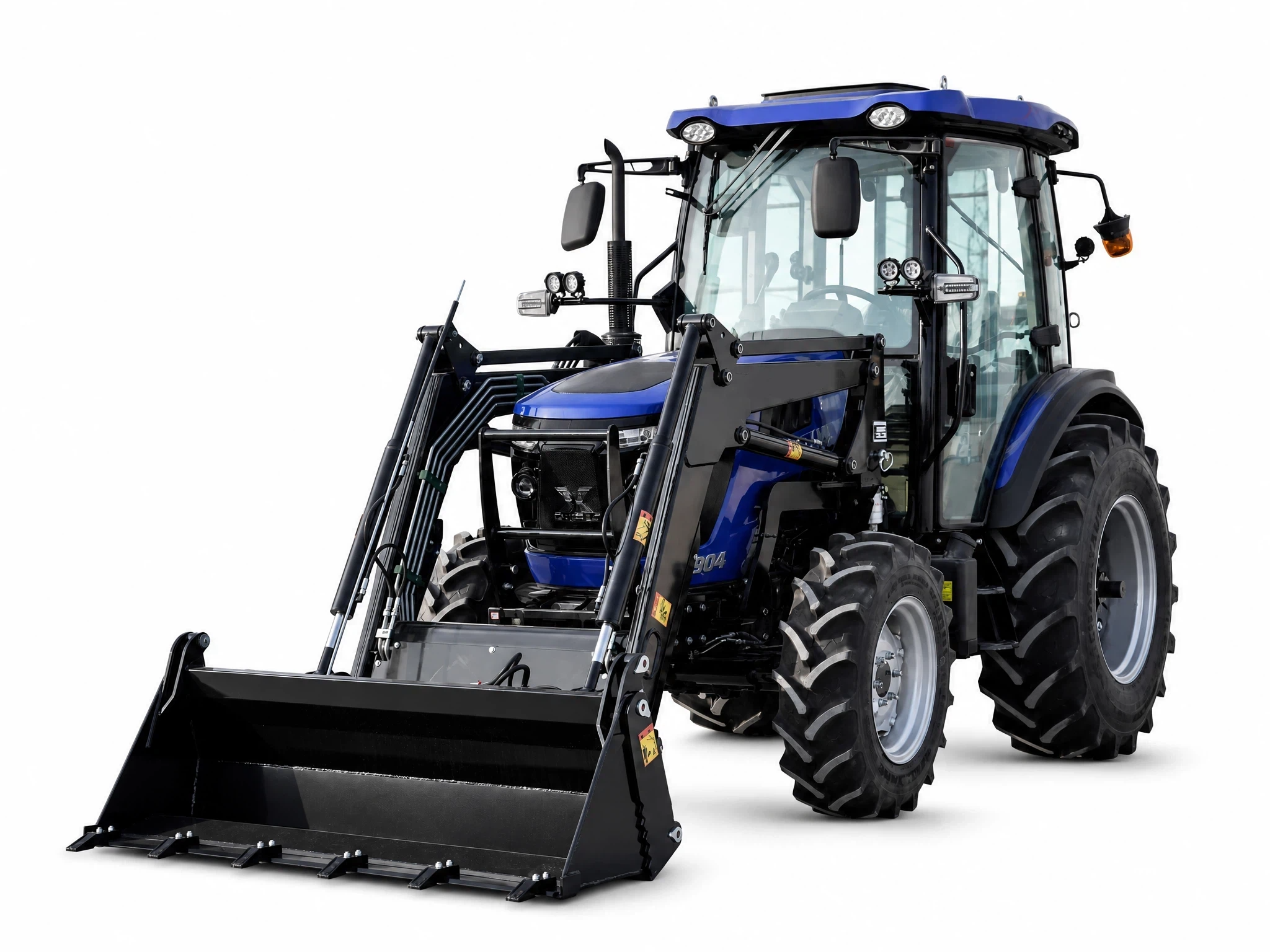
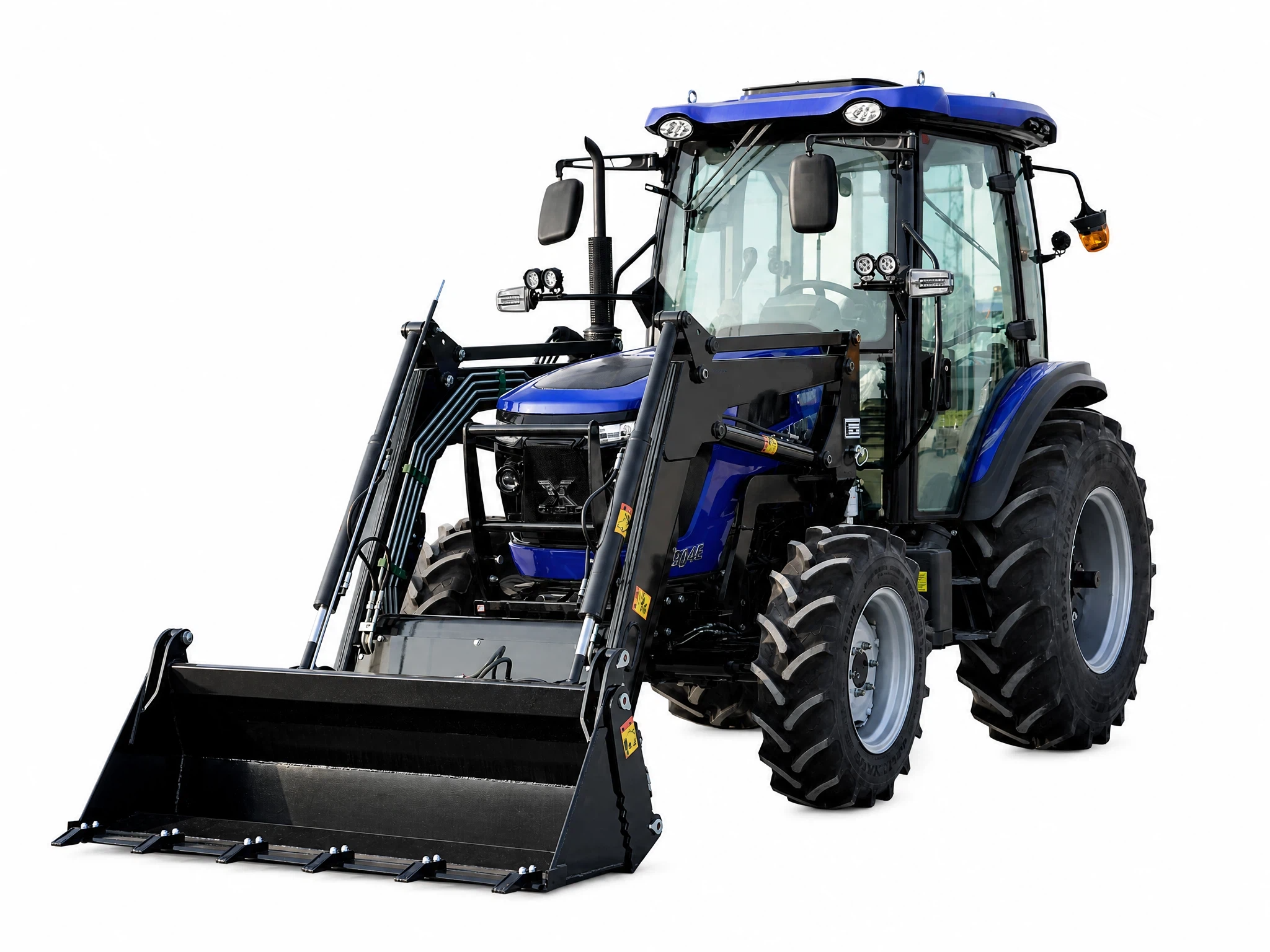
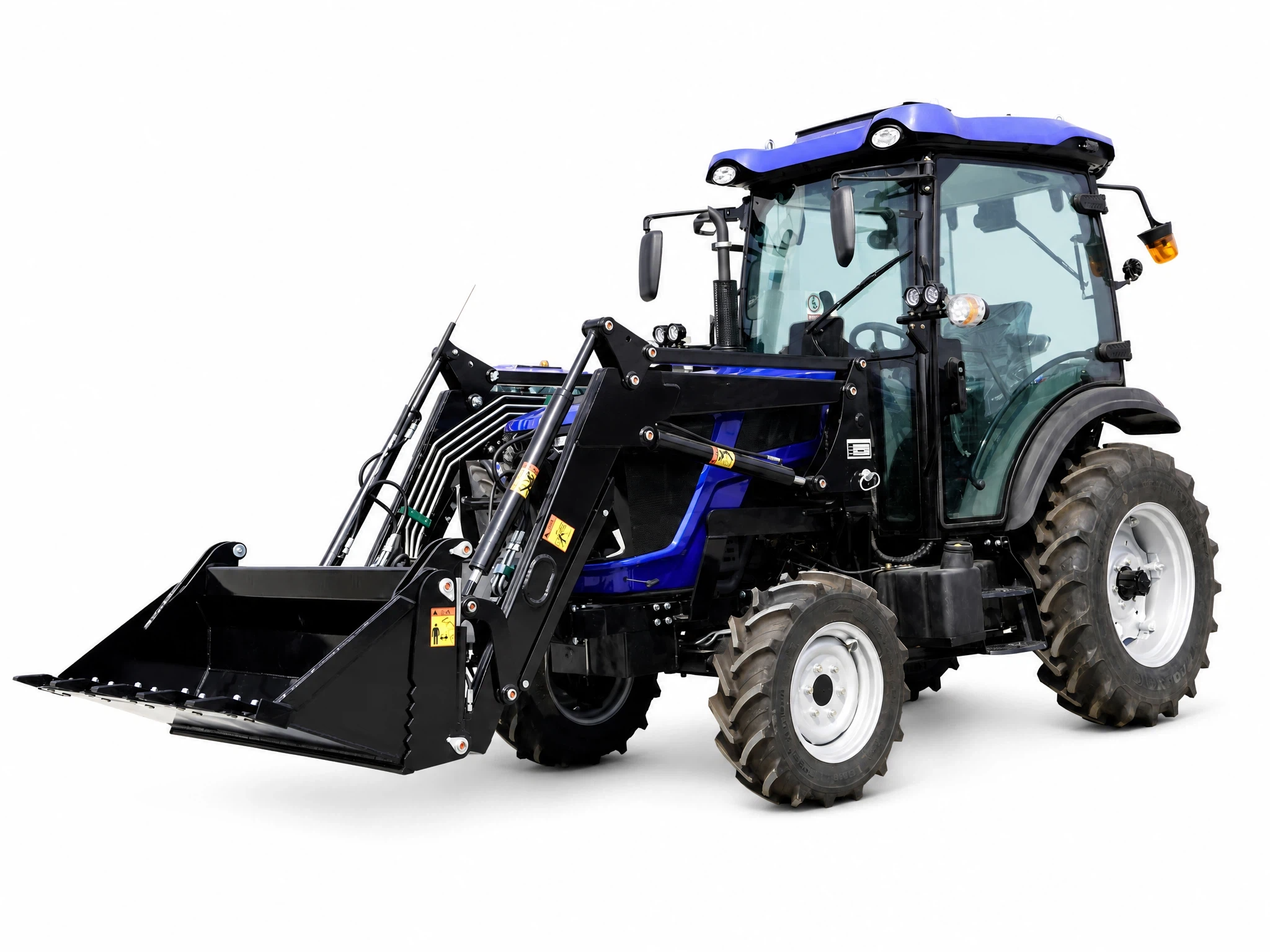
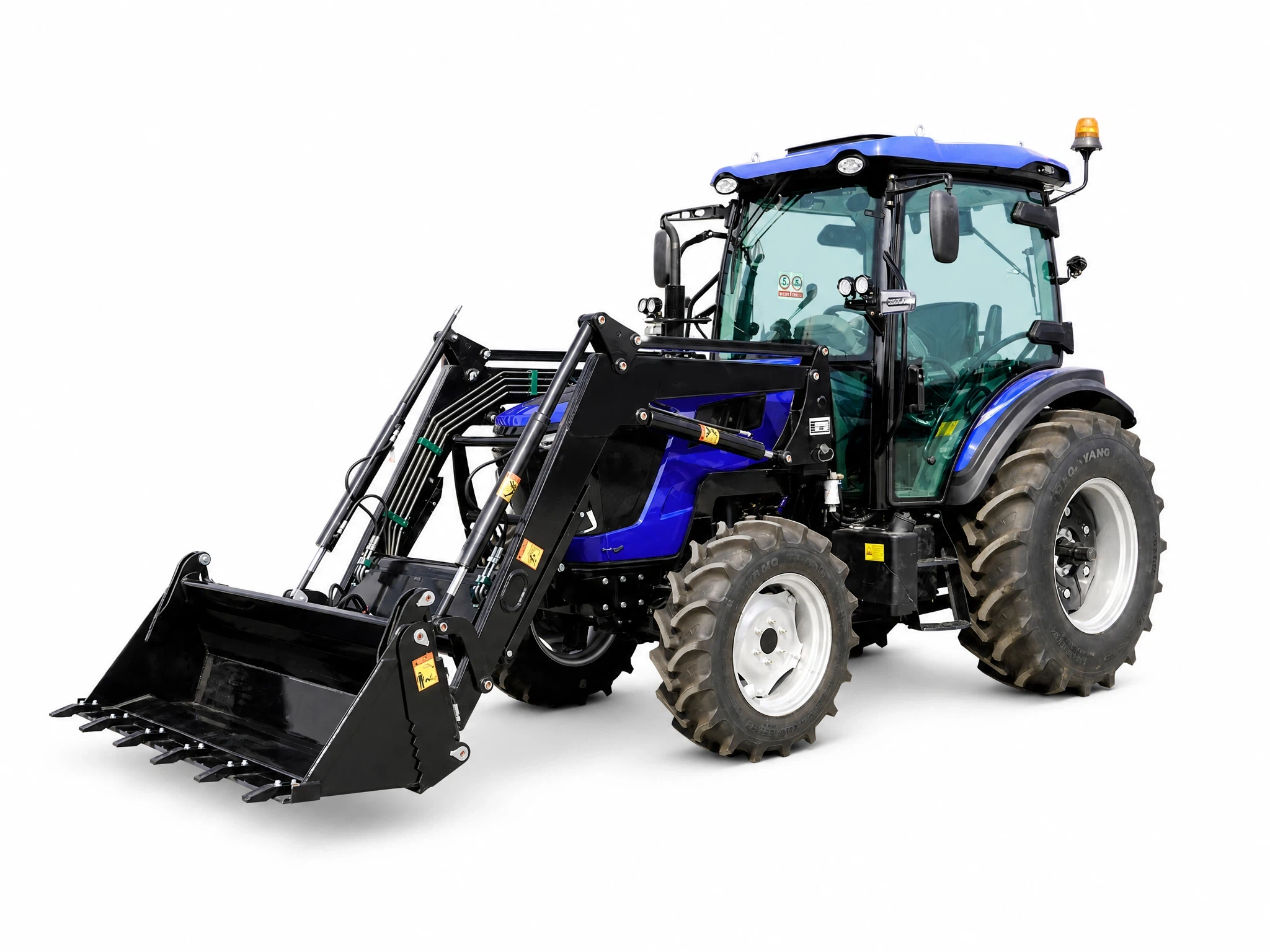
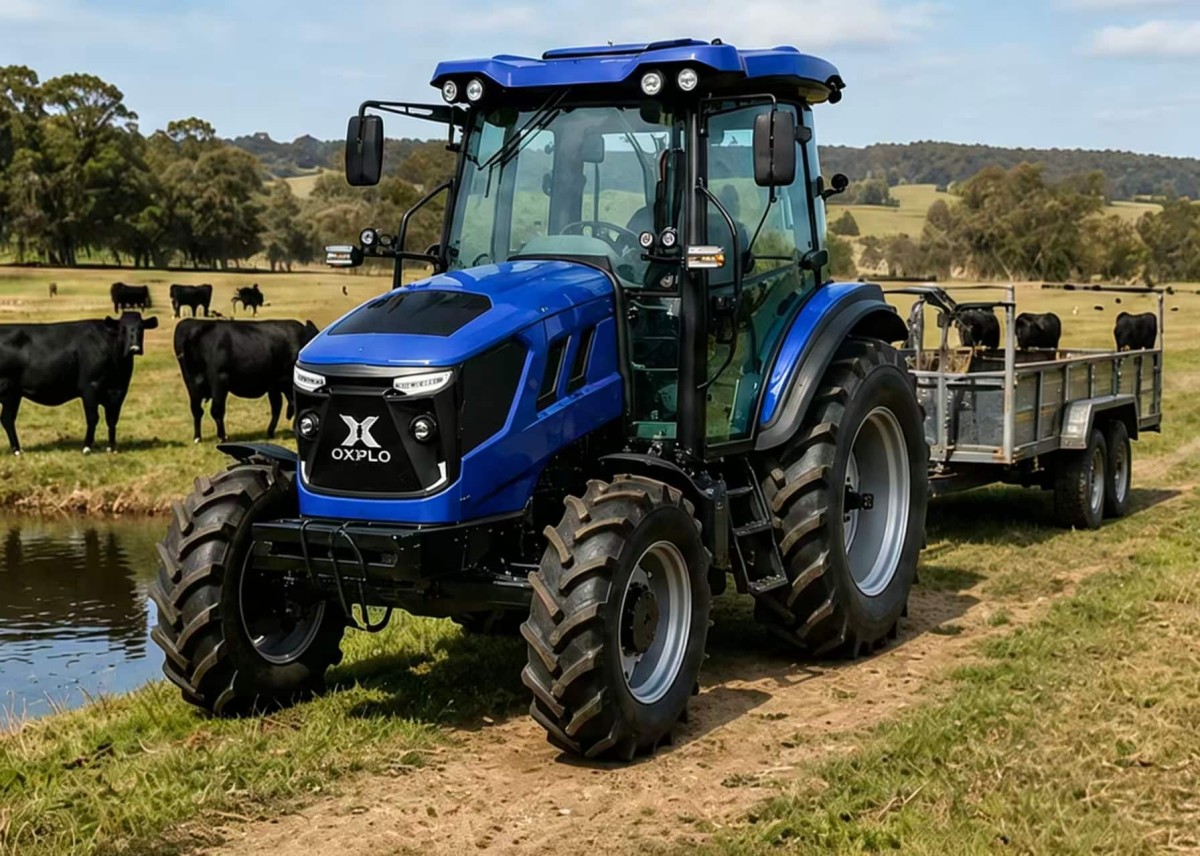
OXPLO compact tractors are designed for this type of farm environment where tasks are continuous rather than isolated. They support feeding, cleaning, transport, and land maintenance within a single working system, helping farms maintain smoother daily operations under practical conditions.
For farmers looking to buy a farm tractor, choosing the right configuration is essential to match workload, terrain, and long-term operational needs.
Enquiry
Our manager will contact you within 30 minutes of working hours.
Related products
 OX1004 100HP Tractor with Front-End Loader100HP tractor with front-end loader for Australian farms. OXPLO OX1004 offers 4WD power, reliable performance and versatile applications. Get a quote today.
 OX804 80HP Tractor AustraliaThe OXPLO OX804 is an 80HP (58.8 kW) 4WD tractor for Australia, powered by a Yunnei YN38GBZ diesel engine. It features three sets of hydraulic outlets and Cat II three-point linkage, making it suitable for general farm and property work with compatible implements.
 OX704 70HP Tractor AustraliaThe OXPLO OX704 is a 70HP tractor Australia solution featuring a 4WD system, Yunnei YN4102GB engine, 12F+12R transmission and 540/1000 PTO. Designed for Australian medium-sized farms, it delivers reliable performance for deep tillage, transport and daily agricultural tasks. Contact OXPLO Australia for pricing and configuration options.
 OX504 50HP Tractor AustraliaThe OXPLO OX504 is a 50HP 4WD tractor designed for Australian farms, acreage properties and general agricultural work. It features a 36.8 kW diesel engine, 8F+8R transmission, full hydraulic steering, 540/1000 rpm PTO and Category I three-point linkage for operating a range of compatible implements.