Tractor Front Loader Matching Guide: What to Check During Installation and Maintenance?
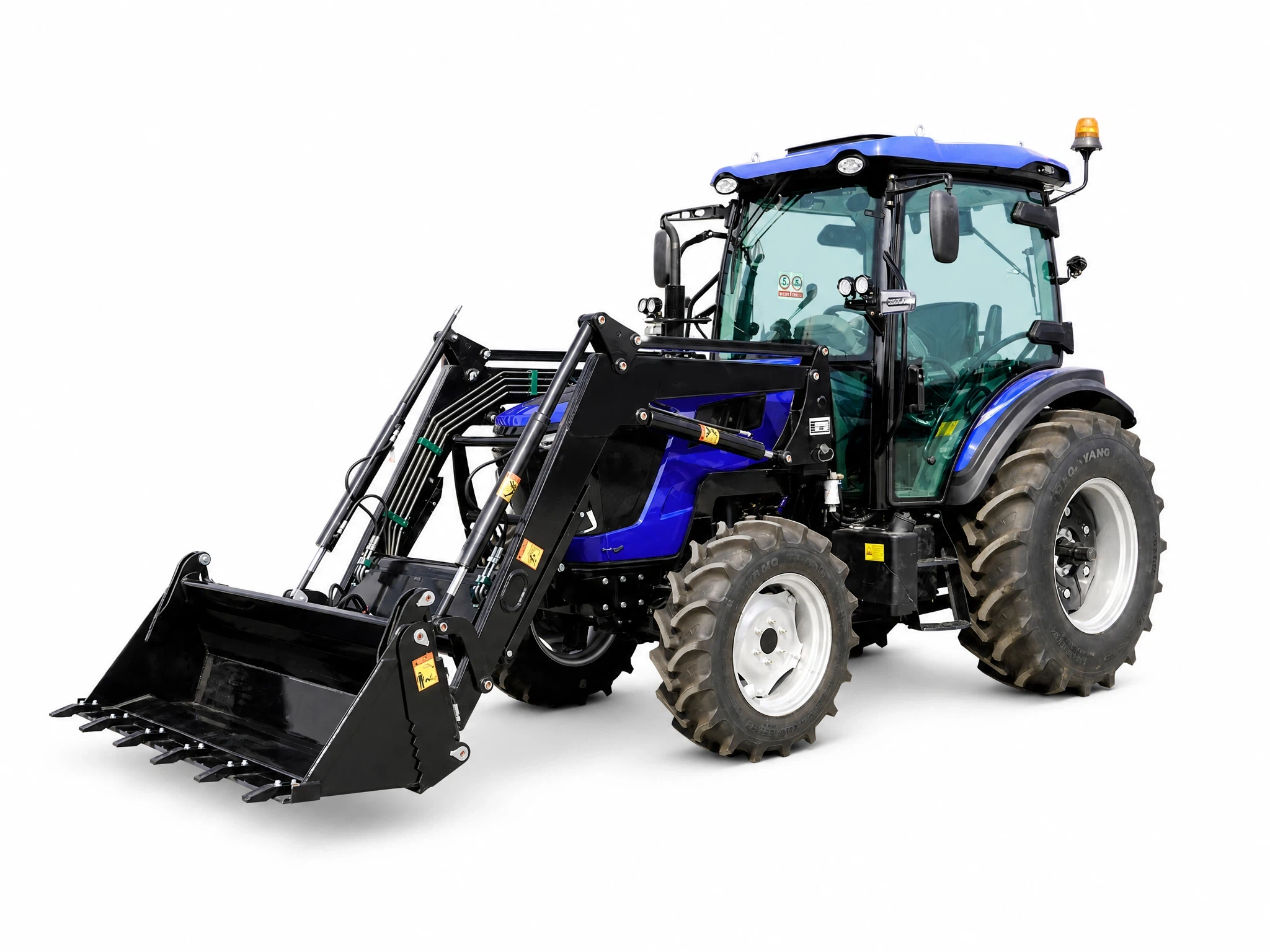
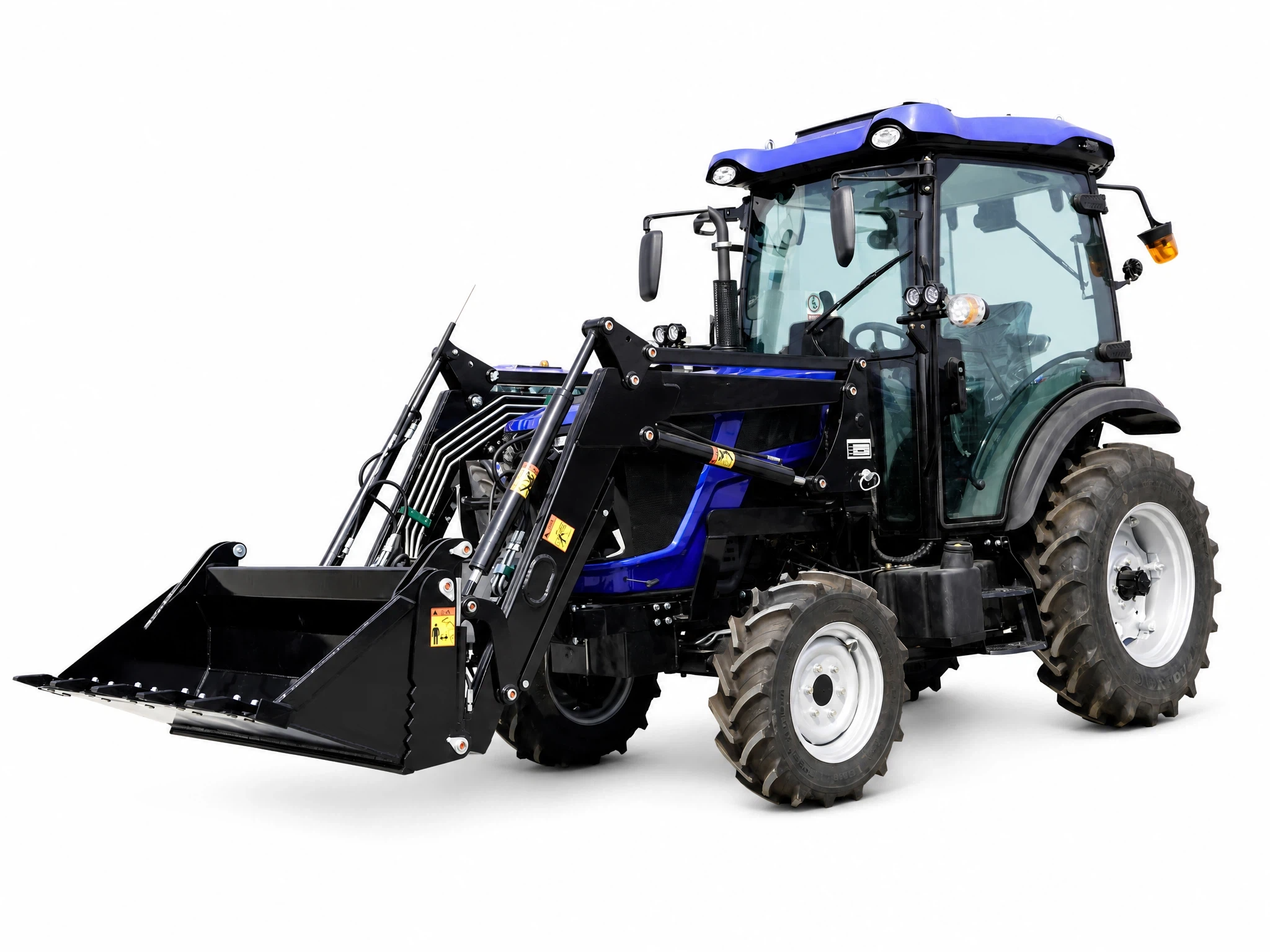
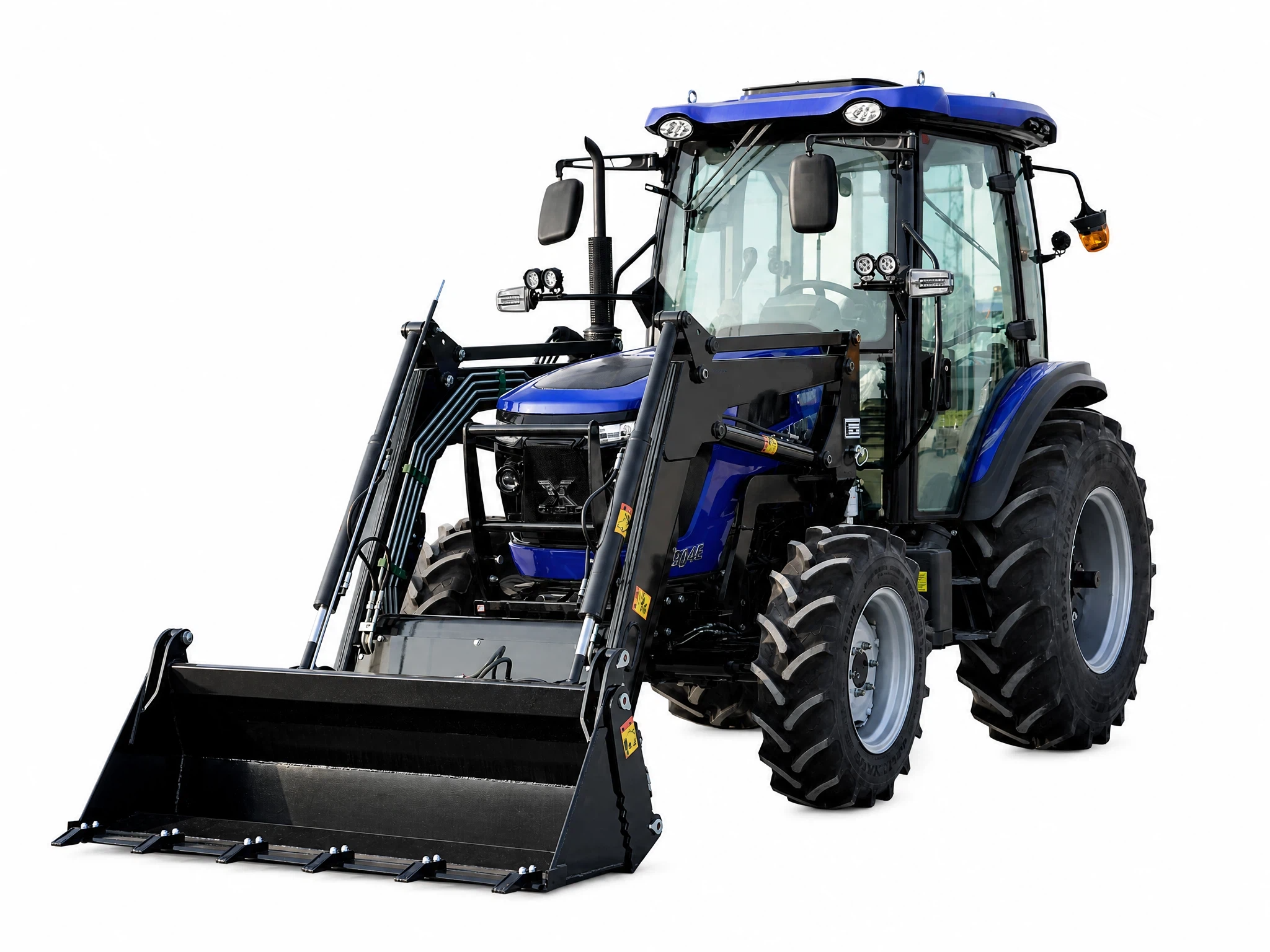
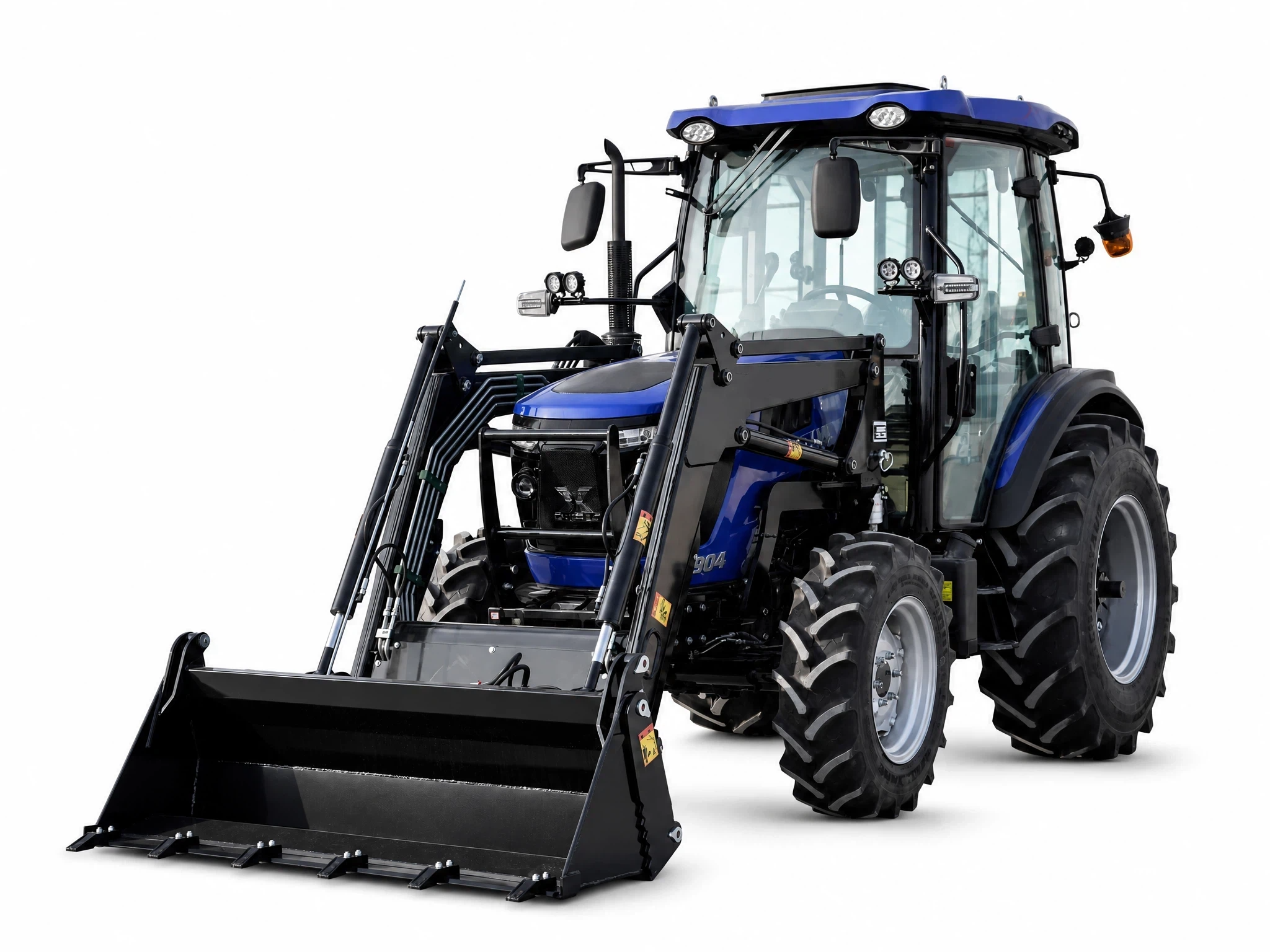
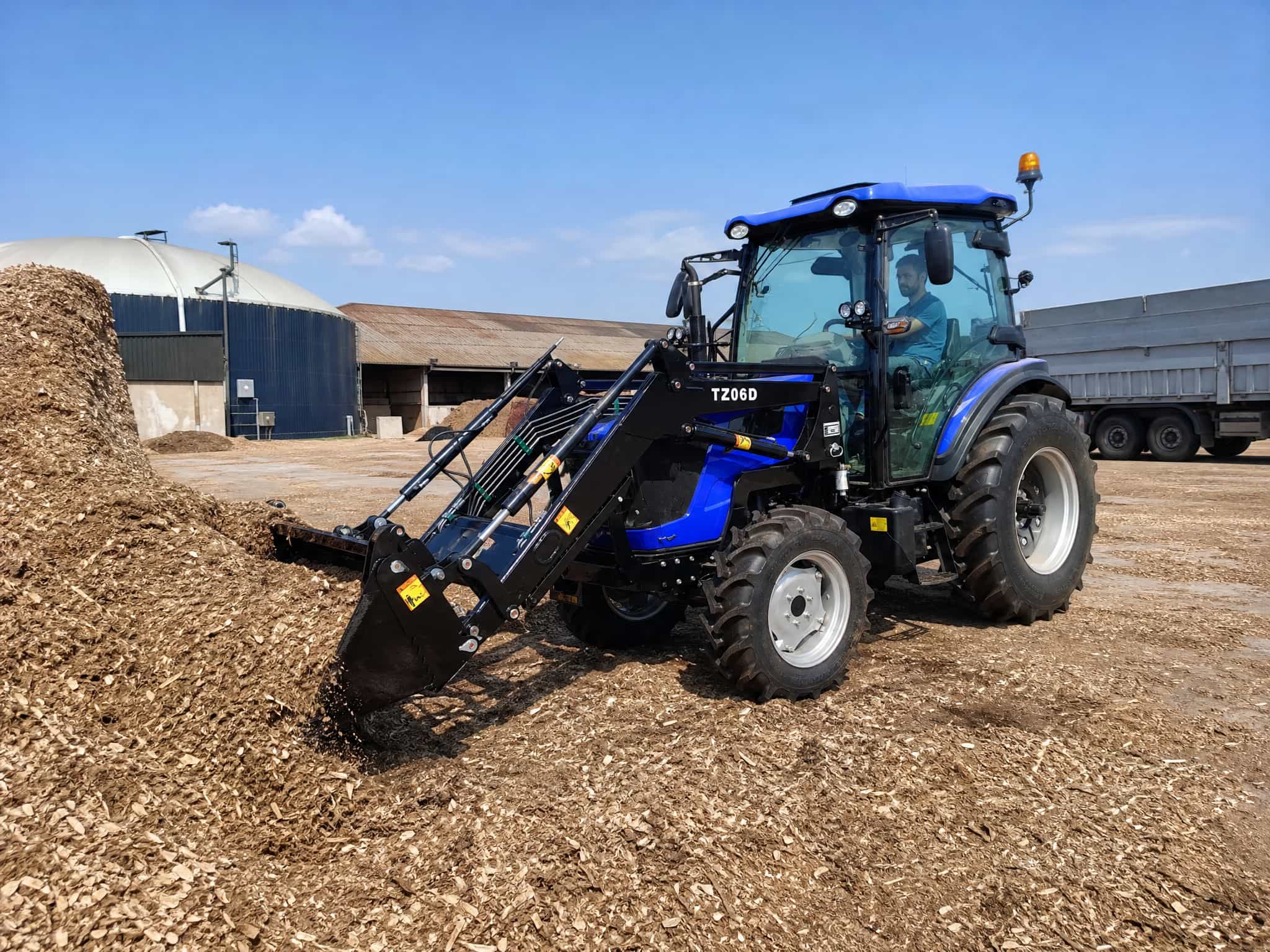
A front loader gives a tractor more flexibility for everyday farm work, such as loading and moving materials. Its installation, however, needs to be considered as part of the tractor's overall setup. When looking at tractors loader frames fitted, start with the connection between the loader frame and the tractor chassis. A suitable match helps ensure the tractor can continue to operate as expected after the loader is installed.
In addition to the mounting structure, the front loader also needs to work properly with the tractor's front axle, steering and hydraulic system. The way the loader frame is fitted should also take into account routine maintenance, including opening the engine bonnet, replacing filters and checking fluids. Therefore, when choosing a tractor with front end loader, it is important to look beyond the loader's working capability and check whether the installation is properly arranged, whether components interfere with each other, and whether future maintenance remains convenient.
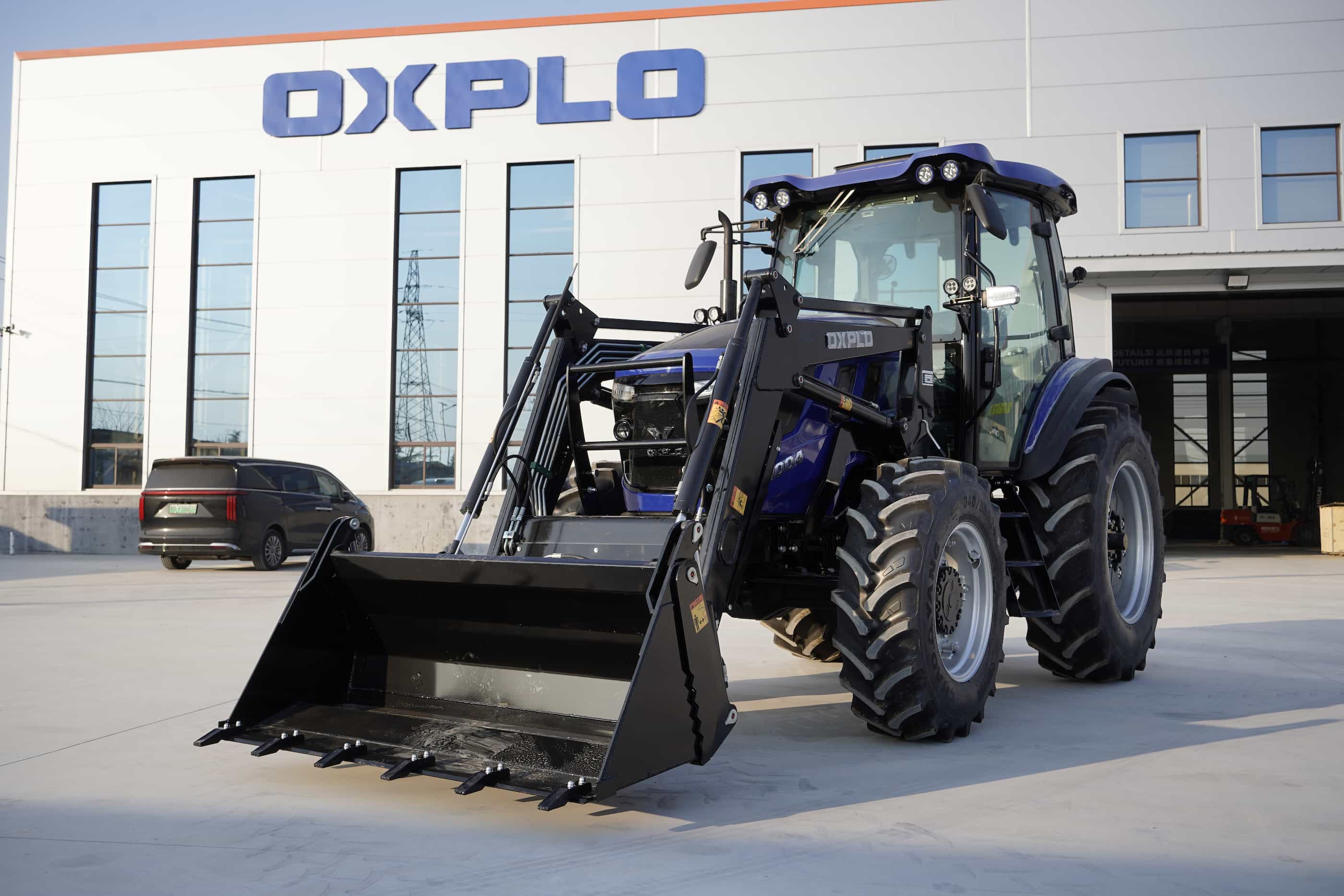
1. Why Is Front Loader and Tractor Matching Important?
During loader work, operating forces pass through the loader frame into the tractor. The frame is therefore more than a mounting bracket. It forms part of the load-bearing structure and must suit the tractor chassis.
A loader may fit the tractor without being a proper match. The installation must suit the tractor's frame and wheelbase. It should not restrict the front axle, steering or hydraulic operation. The engine compartment also needs enough space for routine servicing.
When choosing a front loader tractor, it is worth looking beyond whether the loader can be fitted. The way the loader frame works with the tractor’s structure, front axle and hydraulic system also needs to be considered.
Mounting structure: Is the mounting position and connection method of the loader frame compatible with the tractor?
Front axle and steering: Could the frame or related components affect front axle movement or steering?
Maintenance access: Can the engine bonnet still be opened easily, and can filters and fluids be checked and replaced?
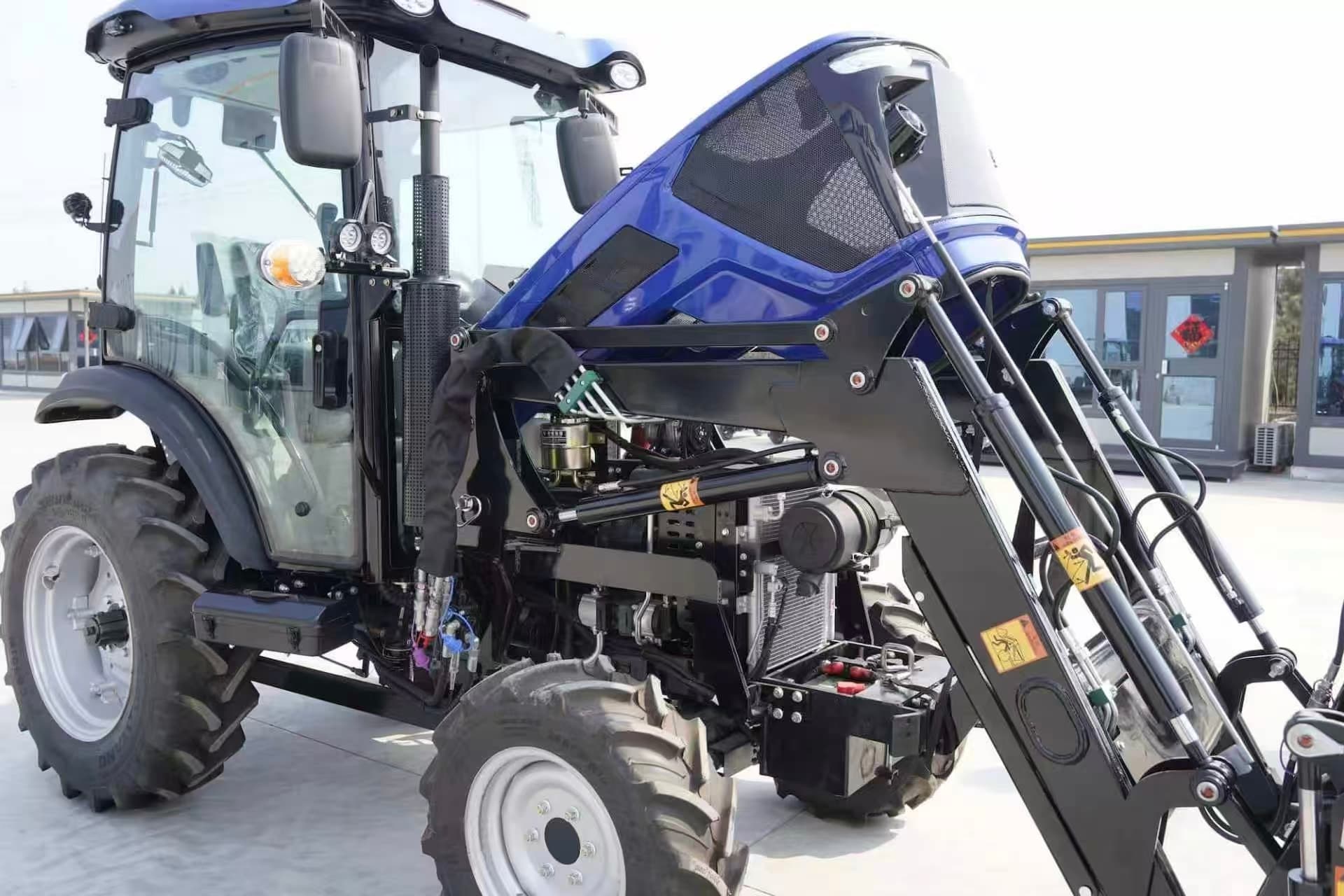
2. Can the Loader Frame Affect Routine Maintenance?
When it comes to servicing a tractor with front end loader, the position and the design of the loader frame matter as well. If the frame restricts access to the engine compartment or leaves too little working space, simple jobs such as checking fluids and changing filters can become more difficult.
For this reason, when choosing a front loader tractor, it is worth checking not only that the frame is securely fitted, but also that enough maintenance access remains after installation.
Does the Engine Bonnet Open Normally?
Open the engine bonnet after the loader is fitted and check its full range of movement. The loader frame, brackets and related components should not significantly restrict access to the engine compartment.
Are Filters and Fluids Easy to Reach?
The air filter, oil filter and diesel filter, as well as engine oil and coolant, are all part of routine maintenance. These filters and service points should remain reasonably accessible after installation. Enough working space is needed for normal inspection and replacement.
A well-designed loader frame must support the loader while preserving access for routine tractor maintenance. Checking this before purchase avoids unnecessary inconvenience later.
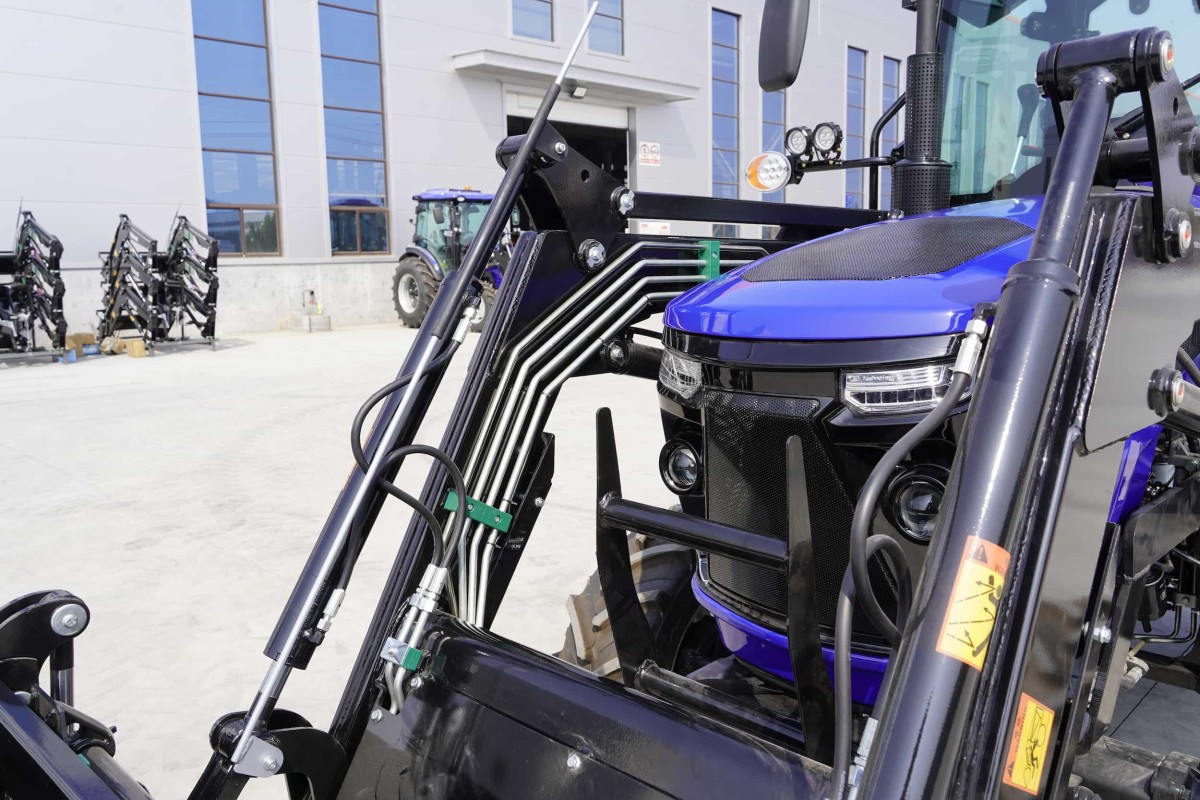
3. How Can You Check Whether the Front Loader Is Properly Fitted?
Except of maintenance access, the installation should also be checked from a practical operating perspective. When looking at tractors loader frames fitted, attention should be given to how the frame connects to the tractor and whether the fitted components leave enough clearance for steering and other moving parts.
Three areas are particularly important:
First, check the mounting points.
Confirm that the mounting position and connection method suit the tractor structure. The loader frame should also be intended for the relevant tractor model. Correct positioning reduces the risk of structural interference.
Second, check the front axle and steering clearance.
As the front loader is mounted at the front of the tractor, make sure the loader frame and related hydraulic lines do not affect front axle movement or normal steering. Pay close attention to whether any components interfere with each other during steering.
Finally, check the hydraulic connections.
The front loader relies on the hydraulic system for lifting, lowering and bucket movement, so the tractor’s hydraulic system needs to be properly matched to the front loader. The hydraulic lines should also be routed in a way that does not interfere with steering or the normal movement of other components.
In simple terms, a properly fitted loader should not interfere with steering, front axle movement or hydraulic operation. The tractor must continue to perform its normal work after installation.
Conclusion: Fitting a Front Loader Is Not Enough — Proper Matching Matters
Matching a front loader to a tractor is not simply about completing the installation. For farm equipment intended for long-term use, the right installation should continue to support daily works.
Therefore, when choosing a tractor with a front loader, assess the complete setup rather than the loader alone. And also check the mounting structure, front axle clearance, hydraulic connections and access to service points.
OXPLO considers the front loader and tractor as one complete system. Mounting structure, hydraulic compatibility and everyday operating requirements are all taken into account when selecting a suitable loader configuration for each tractor.
 What Can a 100HP Tractor with a Front Loader Do? Common Farm ApplicationsLearn what a 100hp front loader tractor can do on Australian farms, from field work and towing to loading and material handling. Explore common applications and key loader specifications with OXPLO.
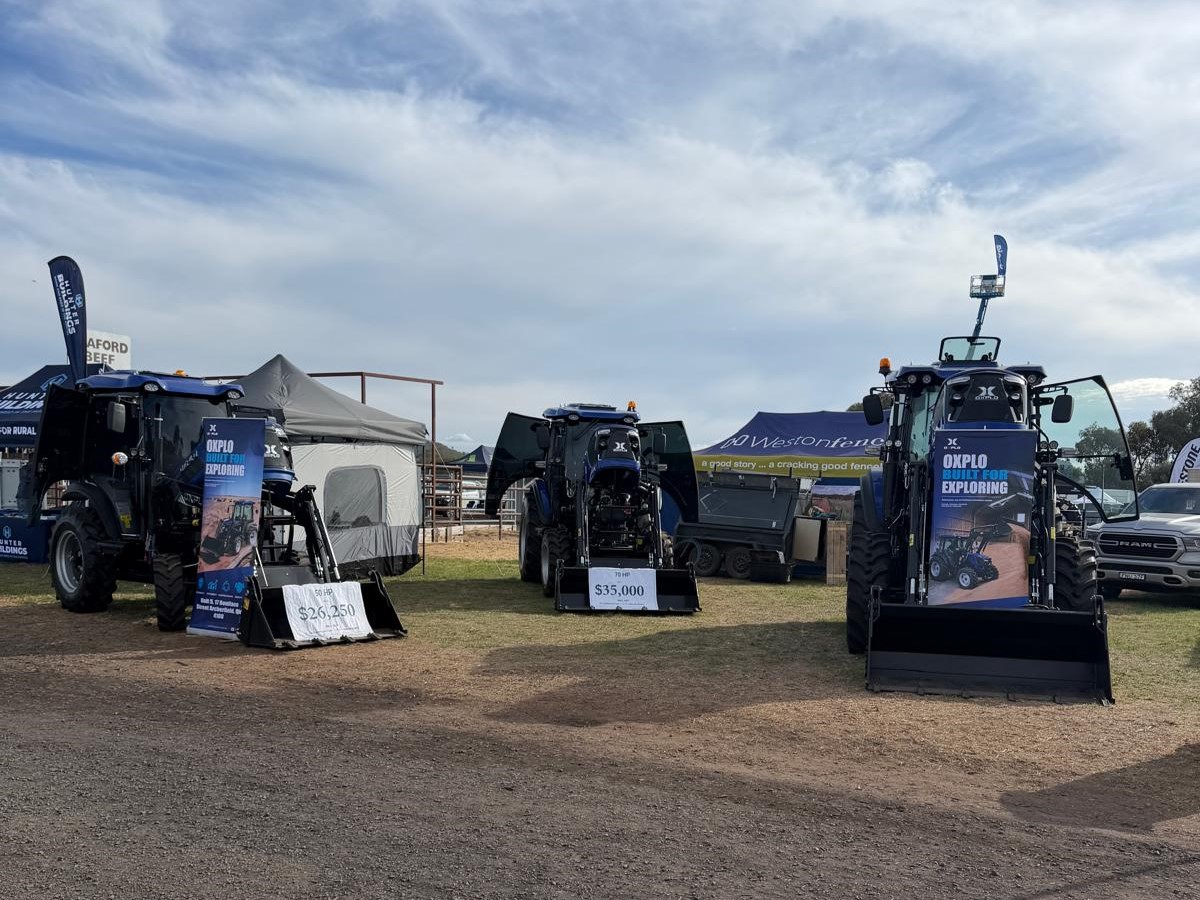
 OXPLO Tractors at AgQuip 2026: Engaging with Australia's Farming CommunityOXPLO tractors were showcased at AgQuip 2026 in Gunnedah, with one 50hp tractor and one 70hp tractor sold and strong interest from Australian farmers and potential customers.
 OXPLO 4 in 1 Bucket Tractor: A Versatile Solution for Farm Loading, Clearing, and LevelingDiscover how an OXPLO 70HP 4WD tractor with a 4 in 1 bucket can handle loading, grabbing, dozing, grading and spreading for farm and property maintenance.
 Australian Tractor Buying Guide: How to Choose Between a Cab Tractor and an Open-Station ROPS Tractor?Cab tractor or open-station ROPS tractor? Compare comfort, visibility, working conditions and practical applications to choose the right tractor for your Australian farm.
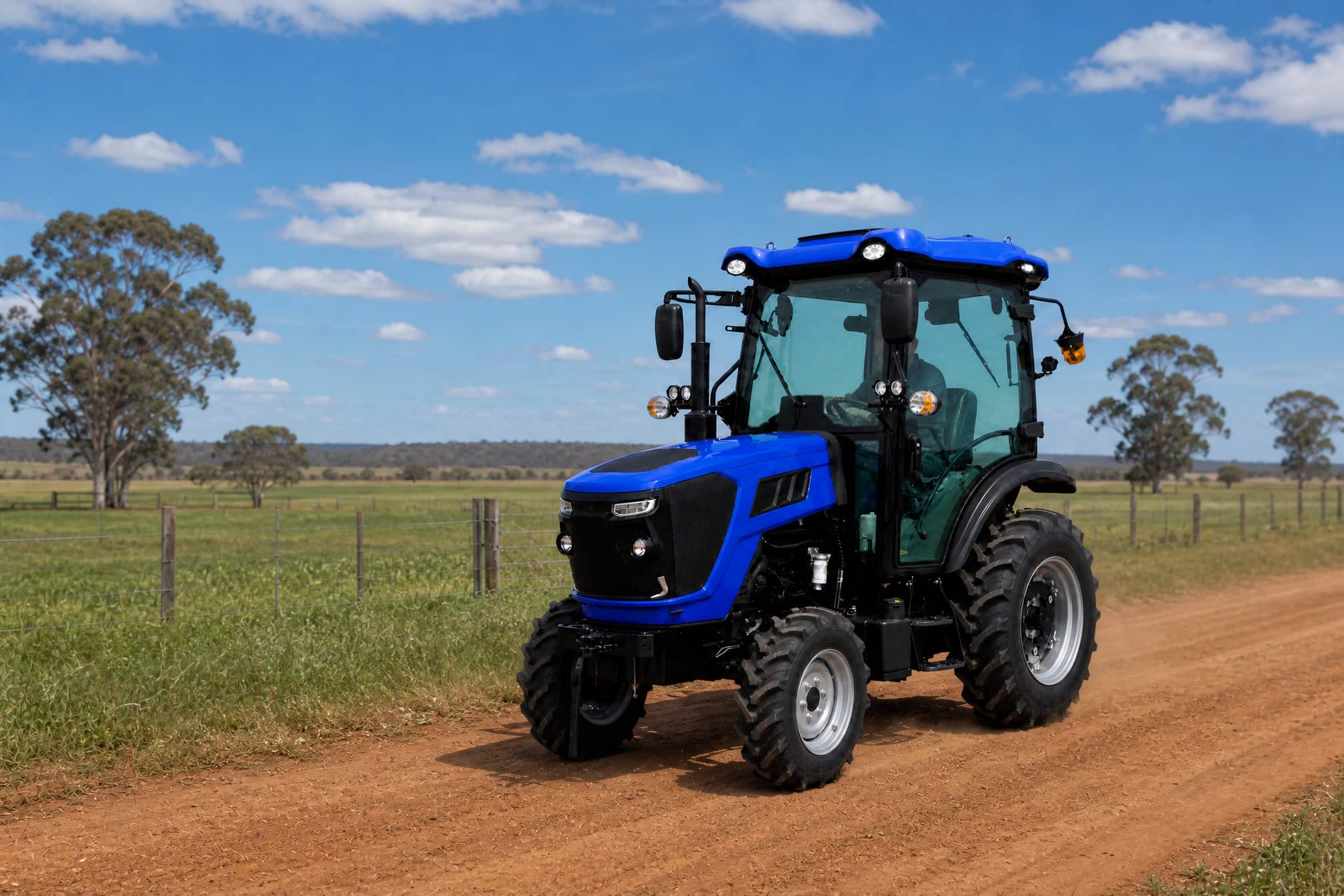
 OX504 50HP Tractor AustraliaThe OXPLO OX504 is a 50HP 4WD tractor designed for Australian farms, acreage properties and general agricultural work. It features a 36.8 kW diesel engine, 8F+8R transmission, full hydraulic steering, 540/1000 rpm PTO and Category I three-point linkage for operating a range of compatible implements.
 OX704 70HP Tractor AustraliaLooking for a powerful 70HP tractor in Australia? OXPLO Machinery offers high-performance compact tractors designed for Australian farms. Durable, versatile, and factory-direct. Request a quote today!
 OX804 80HP Tractor AustraliaOXPLO, an Australian machinery brand, offers a powerful 80HP tractor designed for demanding farm tasks. This versatile Australia tractor combines the strength of a large tractor with the maneuverability needed for small to medium-scale agricultural operations, delivering reliable performance and efficient daily work.
 OX1004 100HP Tractor with Front-End Loader100HP tractor with front-end loader for Australian farms. OXPLO OX1004 offers 4WD power, reliable performance and versatile applications. Get a quote today.