How to Choose Tractor PTO Speed? Implement Matching and Selection Guide
When selecting a farm tractor, most buyers first look at engine power, transmission and hydraulics. The tractor PTO speed is another specification worth checking, particularly when the tractor will be used with PTO-driven implements. Because there are some attachments, like tillers, slashers, balers and mulchers are designed to run at specific PTO speeds. If the tractor PTO does not match the implement, performance may suffer and the resulting overload may cause premature wear or damage to transmission components.
Which jobs suit 540 rpm, and when is 1,000 rpm required? How should the implements you already own influence your choice of PTO configuration? This guide explains the basics of tractor PTO speed and how to match it to common implements and actual operating needs. It also covers PTO power and shaft specifications to help you choose a tractor that fits your work.
1. First, understand: What is tractor PTO speed?
1.1 What does PTO mean?
A tractor PTO, or Power Take-Off, is the rotating shaft that transfers power from a tractor engine to external implements such as rotary tillers, balers, and mowers. PTO speed refers to how fast this shaft rotates and is measured in revolutions per minute (r/min).
1.2 Why is tractor PTO speed important?
Agricultural implements are designed to operate at specific rated speeds. The tractor PTO must match the speed specified on the implement's identification plate or in its operating manual.
Speed too low: The implement may not operate at its intended performance level. For example, a rotary tiller may provide less effective soil cultivation, or a baler may not pick up material properly.
Speed too high: The implement may operate beyond its intended range, accelerating wear or potentially damaging key components such as blades, bearings and gearboxes. It can also create additional safety risks during operation.
2. How do you choose tractor PTO speed? 3 steps
Step 1: Identify the PTO speed required by your implement
This is the most basic and important step. Check the identification plate or operating manual of the implement you already own or plan to purchase. It should specify the required PTO speed.
540 rpm: This is the most common PTO speed and is suitable for most implements used with small and medium-power tractors.
1000 rpm: This is mainly used with higher-power tractors to drive larger implements designed for higher-speed operation.
Step 2: Match the PTO speed to your type of work
Different agricultural operations have different PTO speed requirements. Based on common implement types and actual working conditions, the choice can be considered in the following typical scenarios:
Scenario A: Small and medium farms, orchards and individual farm work
Typical implements: standard rotary tillers, orchard rotary tillers, fertiliser spreaders, small and medium-sized slashers and water pumps.
Recommended speed:540 rpm.
Recommendation: 540 rpm suits routine farm and orchard work, including jobs in heavier clay or wet paddies. The tractor has more torque available at this setting, which helps it keep moving under load.
Scenario B: Cooperatives, larger farms and contract work
Typical implements: large round or square balers, silage choppers and heavy-duty powered harrows.
Recommended speed:1000 rpm.
LUYU International recommendation: This is a common configuration for higher-power tractor models. !000 rpm is mainly designed for larger and heavier agricultural machinery, helping improve work efficiency and allowing operators to take on more jobs.
Step 3: Consider how PTO works with other tractor specifications
Choosing a tractor PTO configuration is not an isolated decision. It is also related to other tractor specifications, including tyre configuration.
Tyre diameter affects ground speed: With the PTO speed remaining unchanged, a larger tyre diameter can increase the tractor's forward speed. Travel speed matters during rotary tilling: too fast can compromise soil preparation, and too slow can increase engine load.
OXPLO configuration options: Based on your working habits and applications, OXPLO can help match suitable tyre sizes to achieve an appropriate working speed at the required PTO speed.
3. What should you look for in a tractor PTO configuration?
When choosing a tractor PTO, don't look at speed alone. Transmission quality, safety design and implement compatibility are also important.
Criterion 1: Reliable transmission components
The PTO change mechanism and transmission components directly affect the stability and durability of power transmission. Pay attention to their specifications, manufacturing quality and ease of maintenance.
Criterion 2: Safe and practical operation
Check the PTO engagement system, guards and control design. Always operate the tractor and implement according to their respective manuals to avoid transmission damage caused by incorrect use.
Criterion 3: Match the implement specifications
Before purchasing, confirm the implement's required PTO speed, power and driveline shaft spline specifications. Then compare these requirements with the farm tractor configuration to ensure the power transmission system is compatible.
Criterion 4: Flexible configuration options
If you plan to use several implements, consider a farm tractor with multiple PTO settings, such as a dual-speed PTO. This makes it easier to match the tractor to different implement requirements.
Final thoughts
Choosing the right tractor PTO speed is an important link between available tractor power and working efficiency. It is not a specification that should be compromised or selected at random. Instead, it should be matched carefully to the implements you use and the type of work you carry out.
If you are choosing the right PTO configuration for a farm tractor or need to match tractor specifications to different implements, OXPLO can provide configuration recommendations and customization support based on your actual working requirements. Contact OXPLO via WhatsApp or email to learn more about our products and available configurations.
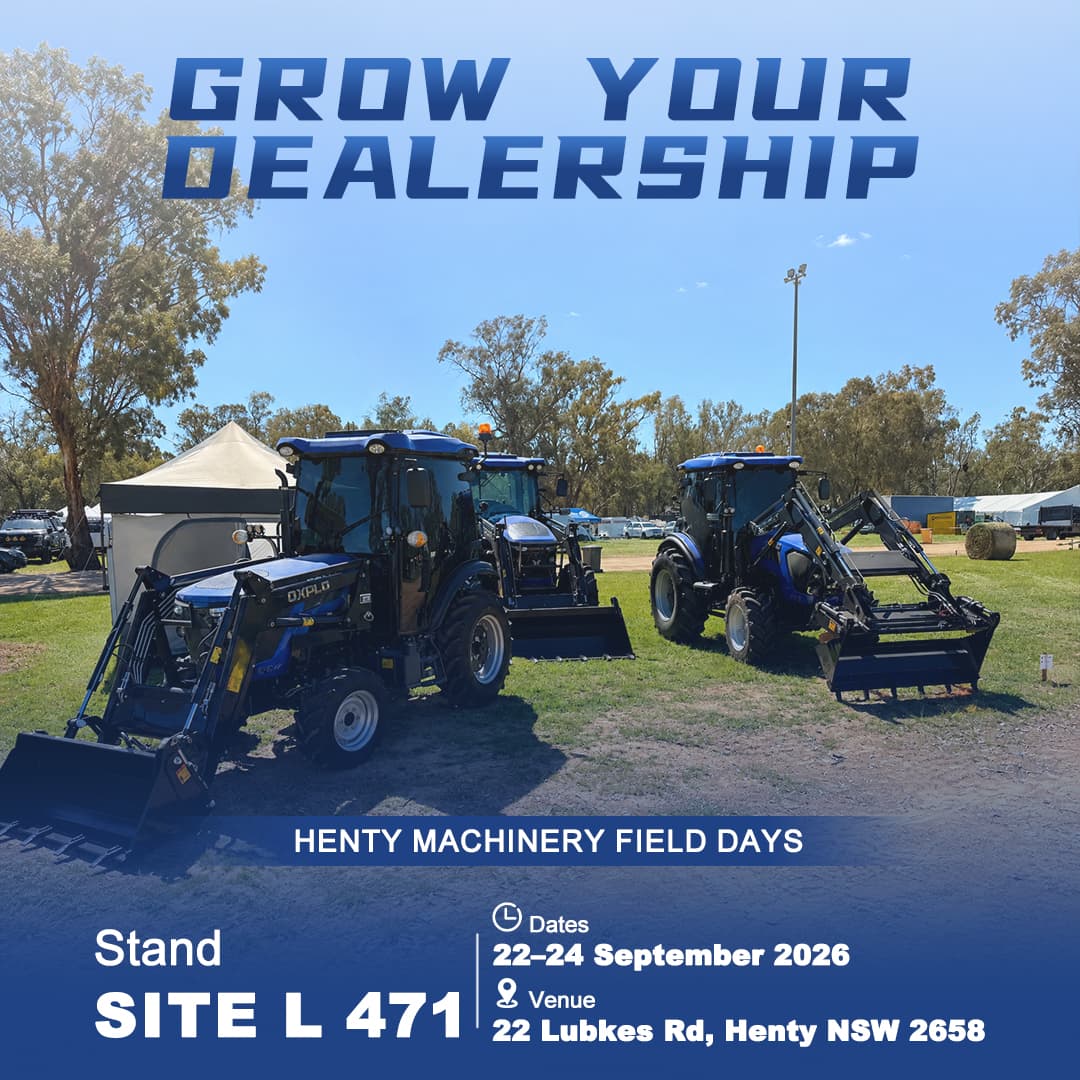
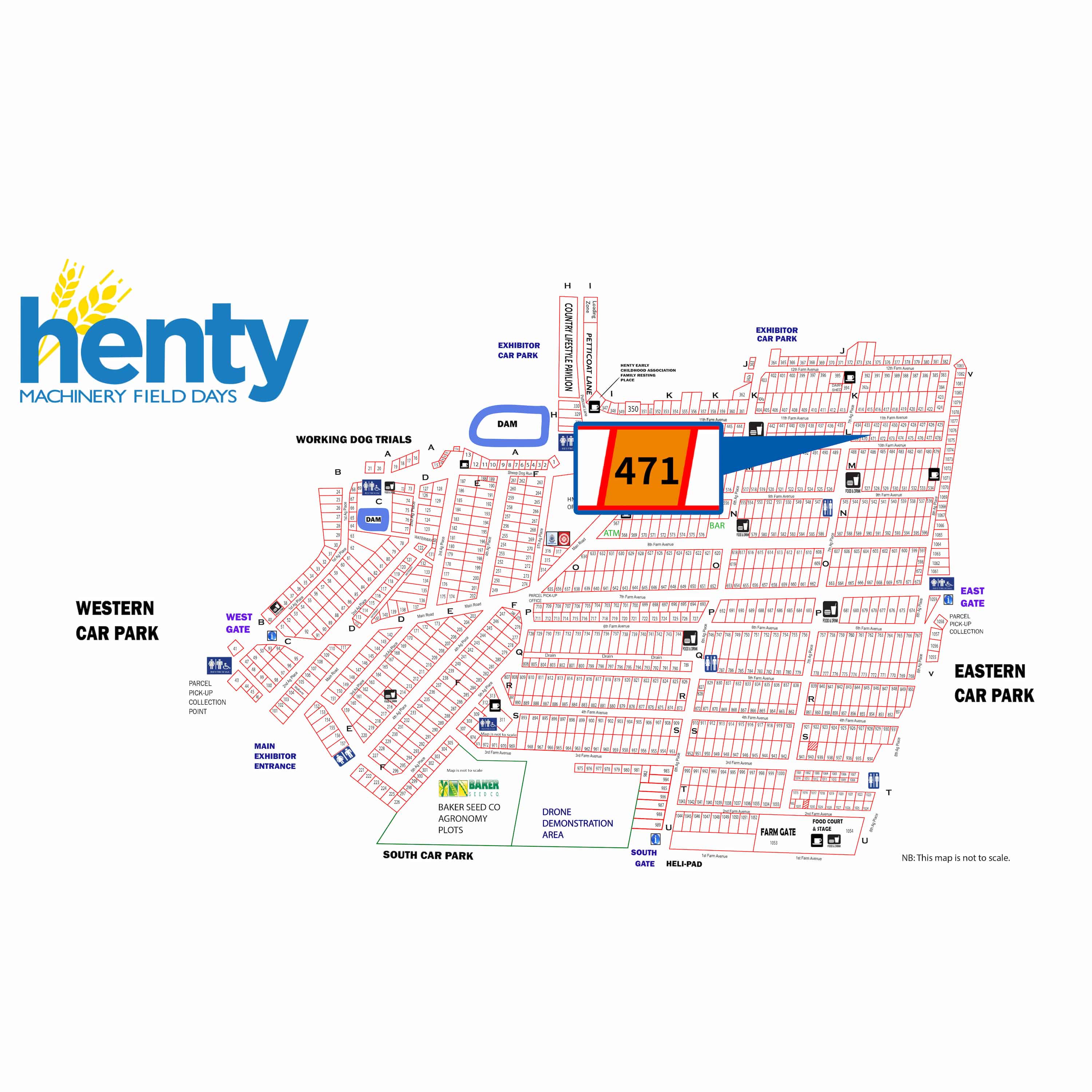
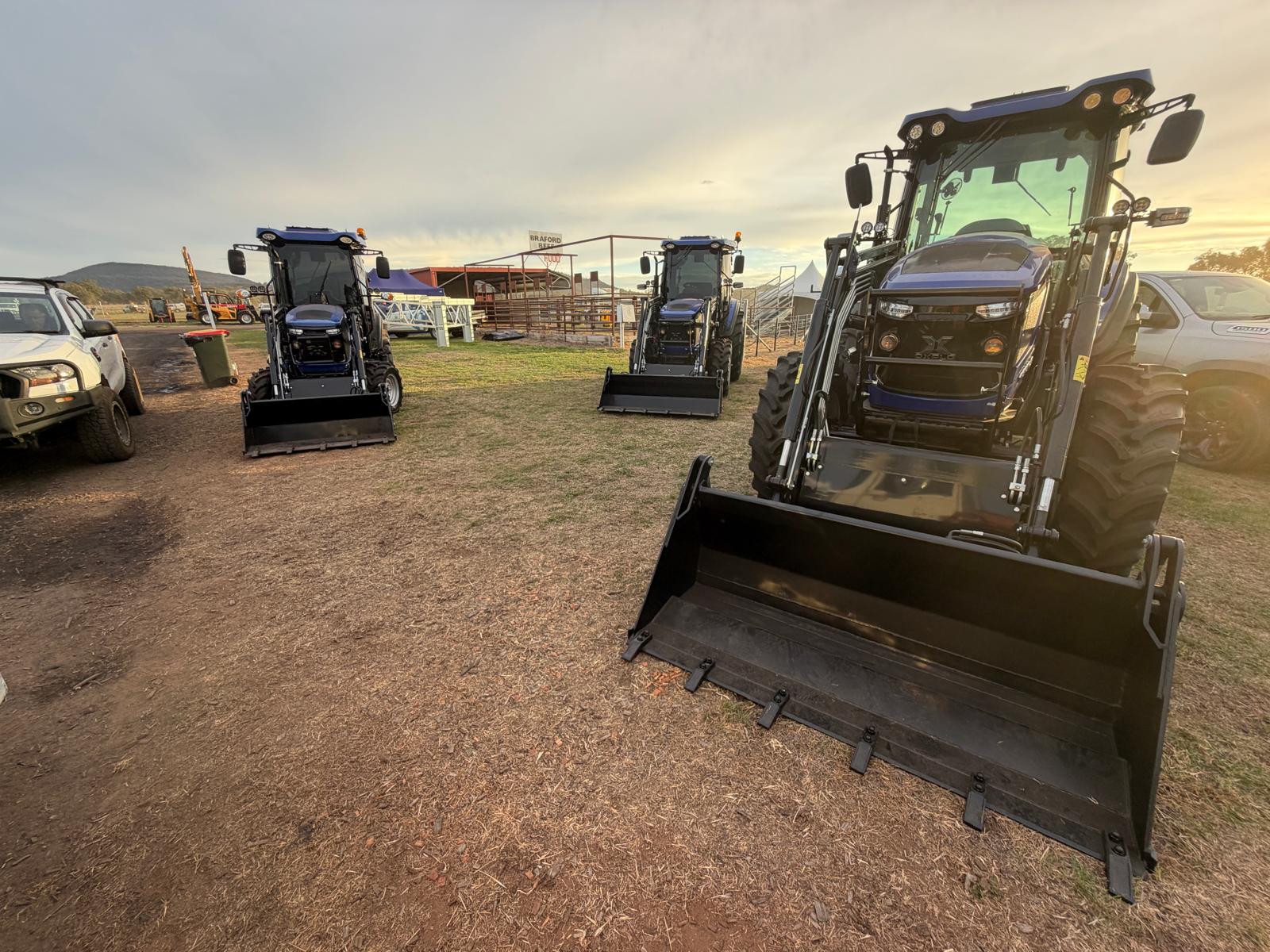
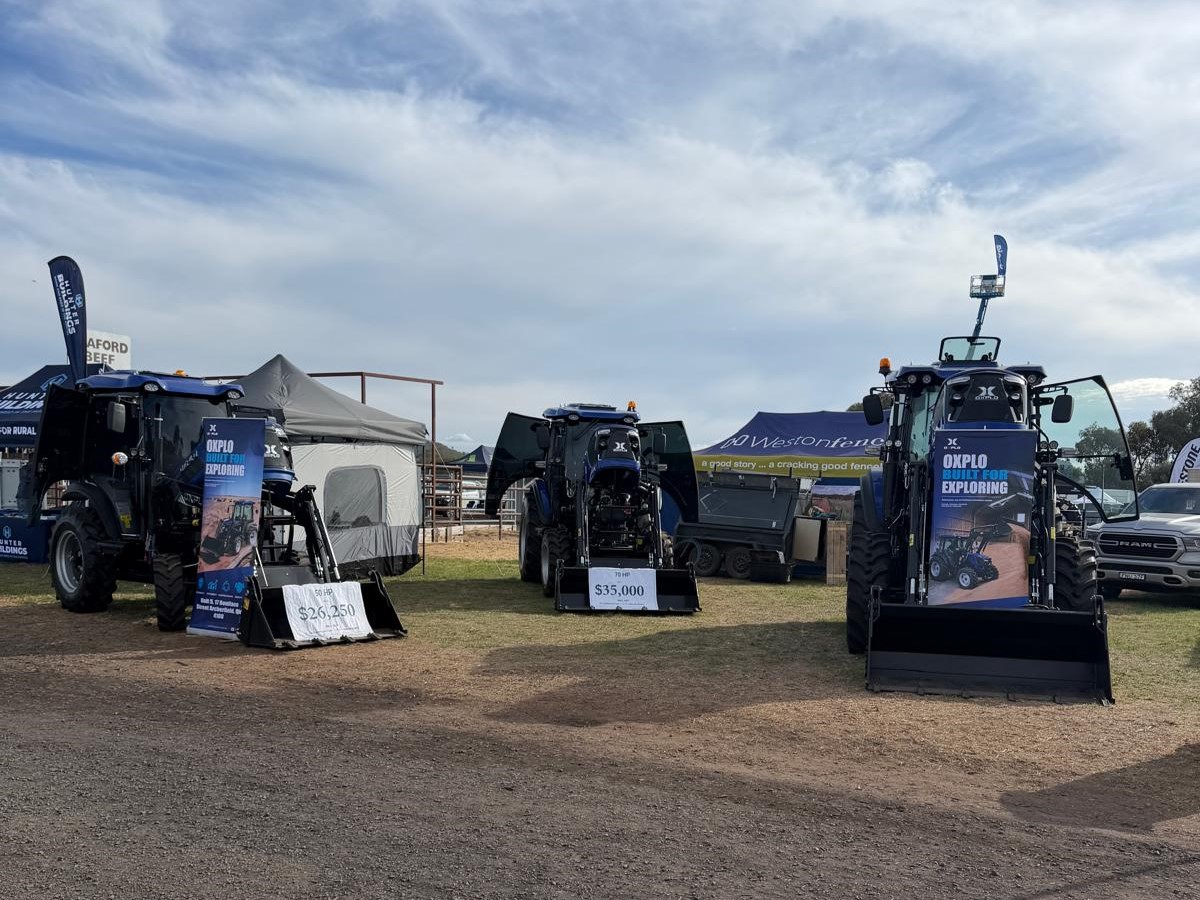
 OXPLO Tractors on Display at Henty Machinery Field Days 2026Visit OXPLO at Henty Machinery Field Days 2026, 22–24 September, to explore tractors for Australian farms and discuss configurations at Site L471.
 OXPLO to Exhibit at Henty Machinery Field Days 2026Visit OXPLO at Henty Machinery Field Days 2026, 22–24 September, to explore 50–100HP tractors and front-end loader options for Australian farms.
 What Can a 100HP Tractor with a Front Loader Do? Common Farm ApplicationsLearn what a 100hp front loader tractor can do on Australian farms, from field work and towing to loading and material handling. Explore common applications and key loader specifications with OXPLO.
 OXPLO Tractors at AgQuip 2026: Engaging with Australia's Farming CommunityOXPLO tractors were showcased at AgQuip 2026 in Gunnedah, with one 50hp tractor and one 70hp tractor sold and strong interest from Australian farmers and potential customers.
 OX1004 100HP Tractor with Front-End Loader100HP tractor with front-end loader for Australian farms. OXPLO OX1004 offers 4WD power, reliable performance and versatile applications. Get a quote today.
 OX804 80HP Tractor AustraliaThe OXPLO OX804 is an 80HP (58.8 kW) 4WD tractor for Australia, powered by a Yunnei YN38GBZ diesel engine. It features three sets of hydraulic outlets and Cat II three-point linkage, making it suitable for general farm and property work with compatible implements.
 OX704 70HP Tractor AustraliaThe OXPLO OX704 is a 70HP tractor Australia solution featuring a 4WD system, Yunnei YN4102GB engine, 12F+12R transmission and 540/1000 PTO. Designed for Australian medium-sized farms, it delivers reliable performance for deep tillage, transport and daily agricultural tasks. Contact OXPLO Australia for pricing and configuration options.
 OX504 50HP Tractor AustraliaThe OXPLO OX504 is a 50HP 4WD tractor designed for Australian farms, acreage properties and general agricultural work. It features a 36.8 kW diesel engine, 8F+8R transmission, full hydraulic steering, 540/1000 rpm PTO and Category I three-point linkage for operating a range of compatible implements.